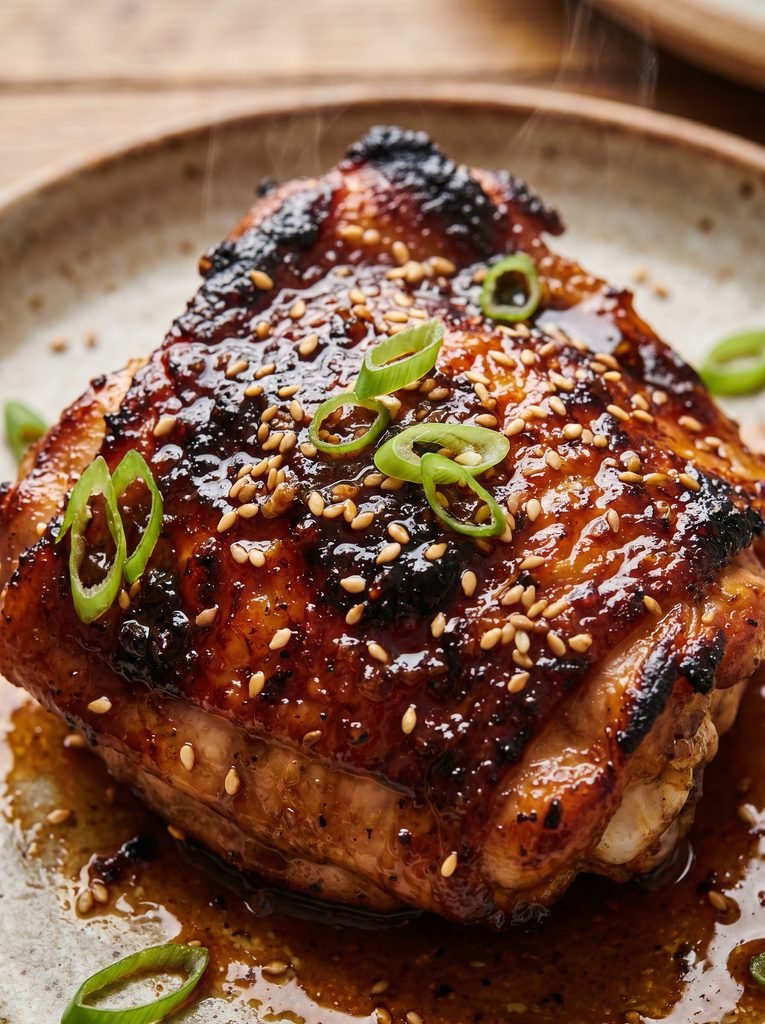
Table of Contents
Introduction
Sticky chicken thighs earn their name from a glaze that reduces in the oven or pan until it clings to the meat in a glossy, caramelized coating — a balance of sweet, salty, and tangy that makes the dish hard to resist. Because the glaze is typically built on a sweetener such as honey, maple syrup, or brown sugar alongside soy sauce, this isn’t a naturally low-carb or low-sugar dish. That said, chicken thighs are a flavorful, protein-rich cut, and with a few thoughtful adjustments — a smaller amount of sweetener, a bolder reliance on garlic, ginger, and vinegar for flavor, and a generous vegetable side — this dish can fit into a balanced, weight-conscious approach.
It’s important to be clear from the outset: neither eating sticky chicken thighs nor avoiding them will, by itself, determine whether you lose weight. Weight management depends on a combination of factors, including total daily calorie intake, overall dietary quality, physical activity, consistency over time, sleep, and individual needs. What matters more than any single ingredient is how the meal is built as a whole — specifically, whether it includes enough protein and vegetables alongside the glazed chicken to feel like a complete, balanced plate rather than a plate of sweetened meat.
This is why choosing protein, vegetables, healthy fats, and fiber matters even in a sauce-forward, caramelized dish like this one. A pair of glazed thighs served with a generous portion of roasted or steamed vegetables offers a very different nutritional picture than the same chicken served over a large mound of white rice with only a spoonful of vegetables on the side.
In this article, you’ll find a classic sticky chicken thighs recipe alongside portion-conscious variations, a lower-sugar glaze option, quick recipes for busy weeknights, tips for building a balanced meal around this dish, and meal-prep strategies for the week — along with estimated nutritional information for representative recipes.
Best Sticky Chicken Thighs Recipes for a Balanced Diet
Classic and Portion-Conscious Versions
These recipes keep the traditional sweet-savory flavor while paying attention to portion size, aligning with high protein lunch ideas built around a flavorful, glazed cut of chicken.
Classic Oven-Baked Sticky Chicken Thighs Bone-in, skin-on chicken thighs brushed with a glaze of soy sauce, honey, garlic, ginger, and a splash of rice vinegar, then roasted until the skin crisps and the glaze caramelizes, deliver the traditional version of this dish; using a moderate amount of sweetener relative to the amount of chicken helps keep the dish satisfying without an excessive amount of added sugar per serving.
Sticky Boneless Skinless Chicken Thighs Using boneless, skinless thighs offers a leaner option than skin-on versions, while still staying moist and flavorful thanks to the cut’s natural fat content.
Sticky Chicken Thighs with Roasted Vegetables Roasting broccoli, bell peppers, or green beans on the same sheet pan allows the vegetables to pick up some of the caramelized glaze, extending its flavor across a more balanced plate.
Sticky Asian-Style Chicken Thighs with Sesame Finishing the glazed chicken with a sprinkle of toasted sesame seeds and sliced scallions adds visual appeal and a bit of crunch without contributing meaningful carbohydrates.
Sticky Chicken Thighs with Gochujang Glaze Using a small amount of gochujang, a fermented Korean chili paste, adds savory depth and gentle heat, allowing for a smaller amount of added sweetener to achieve a balanced flavor.
Lower-Sugar Sticky Glaze Variations
For readers who want the sticky, caramelized appeal of this dish with meaningfully less added sugar, these variations fit within low carb lunch recipes principles.
Sticky Chicken Thighs with Reduced Sweetener Using about half the honey or maple syrup called for in a traditional recipe, while increasing the garlic, ginger, and rice vinegar, preserves much of the characteristic flavor with less added sugar.
Sugar-Free Sweetener Sticky Glaze A glaze made with a granulated or liquid sugar substitute in place of honey, combined with soy sauce or coconut aminos, garlic, and ginger, offers a very low-sugar alternative that still develops a sticky, glossy coating as it reduces.
Savory-Forward Sticky Chicken (Minimal Sweetener) Emphasizing soy sauce or coconut aminos, rice vinegar, garlic, and ginger, with only a small drizzle of sweetener, creates a glaze that leans savory rather than sweet while still achieving a sticky finish.
Sticky Chicken Thighs and Cauliflower Sheet Pan Chicken and cauliflower florets both tossed in a light sticky glaze and roasted together increases the proportion of vegetables to chicken, naturally diluting the sugar content per serving.
Balsamic Sticky Chicken Thighs (Lower Sugar) Reducing balsamic vinegar with garlic and a small amount of sweetener creates a tangy, naturally sweet glaze that requires less added sugar to taste balanced.
Quick and Easy Sticky Chicken Thighs for Busy Weeknights
These options focus on easy-to-make recipes for readers with limited time.
Five-Ingredient Sheet Pan Sticky Chicken — Chicken thighs, soy sauce, honey, garlic, and ginger, combined and roasted on a single pan for a fast weeknight dinner.
Air Fryer Sticky Chicken Thighs — Chicken thighs air-fried, then brushed with warmed glaze during the last few minutes of cooking, produces crispy skin with a sticky finish using less oil.
Pre-Made Stir-Fry Sauce Shortcut — Using a store-bought, lower-sugar stir-fry or teriyaki-style sauce as the glaze base saves time, though it’s worth checking labels for added sugar and sodium.
Frozen Vegetable Sheet Pan Addition — Adding a bag of frozen broccoli or green beans to the sheet pan for the final portion of cooking increases vegetable content with minimal extra effort.
Slow Cooker Then Broil Method — Cooking thighs in a slow cooker for tenderness, then brushing with glaze and broiling briefly, combines hands-off cooking with a caramelized finish.
For efficiency, prepare a larger batch of the glaze than one dinner requires and portion it for use across multiple meals, which also helps with consistent portion control.
How to Build a Balanced Meal Around Sticky Chicken Thighs
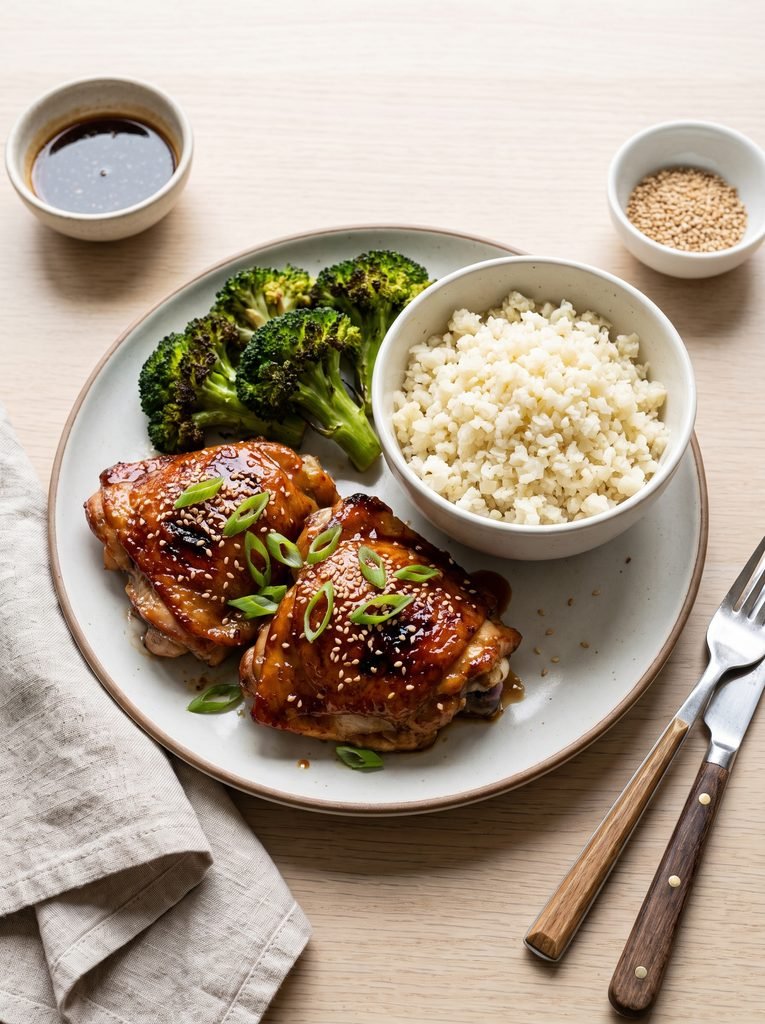
Choosing the Right Cut and Preparation
Bone-in, skin-on chicken thighs offer the most flavor and the crispiest finish, while boneless, skinless thighs provide a leaner option that still stays moist. Trimming excess visible fat before cooking can help moderate the overall fat content without sacrificing tenderness. Protein needs vary from person to person depending on factors such as body composition, activity level, and overall health goals, so readers should consider their individual dietary needs, ideally with guidance from a registered dietitian or healthcare provider.
Since the glaze contributes minimal protein, making sure the chicken portion is substantial relative to the amount of glaze helps keep the dish appropriately protein-forward rather than sauce-forward.
Adding Vegetables, Fiber, and Healthy Fats
Because sticky chicken thighs are a glaze-driven dish, vegetables play a particularly important role in balancing the plate. Useful options include broccoli, bell peppers, green beans, snap peas, and cauliflower, all of which pair naturally with the sweet-savory flavor profile and can roast on the same pan as the chicken.
Healthy fats in this dish come largely from the chicken thighs themselves, particularly when the skin is left on, so additional added fats are generally unnecessary. A scattering of sesame seeds or a few slices of avocado on the side can add flavor and healthy fat if desired, in moderate portions.
Fiber from a generous vegetable portion helps offset the more concentrated sugar content of the glaze, making the overall meal feel more balanced and complete.
Healthy Alternatives to High-Carb Ingredients
Since the glaze’s sweetener and any rice served alongside are the primary sources of carbohydrates in this meal, a few practical adjustments can help moderate the overall carbohydrate content:
- Reduced sweetener with extra garlic, ginger, and vinegar instead of a full-sugar glaze
- A sugar substitute-based glaze instead of honey or brown sugar, for a much lower-carb version
- Cauliflower rice instead of white rice as a base
- Extra roasted vegetables instead of a larger portion of rice
- Zucchini noodles instead of regular noodles for an Asian-inspired variation
These swaps allow readers to enjoy the familiar sticky, caramelized appeal of this dish while adjusting the sugar and carbohydrate content to fit personal preferences. Most readers do not need to eliminate sweetener entirely; a reasonably portioned traditional version, served over vegetables rather than a large portion of rice, can also fit into a balanced approach.
For more inspiration, see our [Healthy Chicken Recipes] and [Low Carb Recipes] collections.
Meal Prep, Serving Suggestions & Nutrition
Meal-Prep Tips for Busy Weeks
Sticky chicken thighs can be prepared efficiently in batches, supporting meal prep lunch ideas principles:
- Cook thighs in batches — Preparing more chicken than one meal requires allows the extra to be used across multiple meals.
- Make the glaze separately — Preparing a batch of glaze ahead of time and storing it separately allows for controlled portioning when reheating or serving.
- Wash and chop vegetables in advance — Prepping vegetables ahead of time speeds up weeknight cooking and encourages a generous vegetable portion.
- Use sheet-pan methods — These reduce both active cooking time and cleanup.
- Store in airtight containers — Cooked sticky chicken thighs keep well in the refrigerator for 3–4 days.
- Reheat in the oven or air fryer — Reheating in dry heat helps restore some of the original caramelized, crisp texture better than a microwave.
- Freeze extra portions — Sticky chicken thighs generally freeze and reheat reasonably well, particularly when the sauce and chicken are stored together.
Serving Suggestions and Flavor Combinations
Rotating sides and glaze flavors helps keep sticky chicken thighs feeling fresh across multiple meals:
- Classic sticky chicken thighs + steamed broccoli + a sprinkle of sesame seeds
- Gochujang sticky chicken + cauliflower rice + sliced scallions
- Balsamic sticky chicken thighs + roasted green beans
- Sticky chicken thighs with reduced sweetener + a side salad
- Sticky chicken and cauliflower sheet pan + fresh cilantro
Fresh ginger, garlic, scallions, and a sprinkle of toasted sesame seeds add depth and visual appeal to sticky chicken thighs without contributing meaningful additional sugar. A squeeze of fresh lime or a splash of rice vinegar just before serving can brighten the richness of the glaze.
Explore our [Healthy Chicken Recipes] and [Easy Salad Recipes] for additional pairing ideas.
Nutritional Information and Weight-Loss Considerations
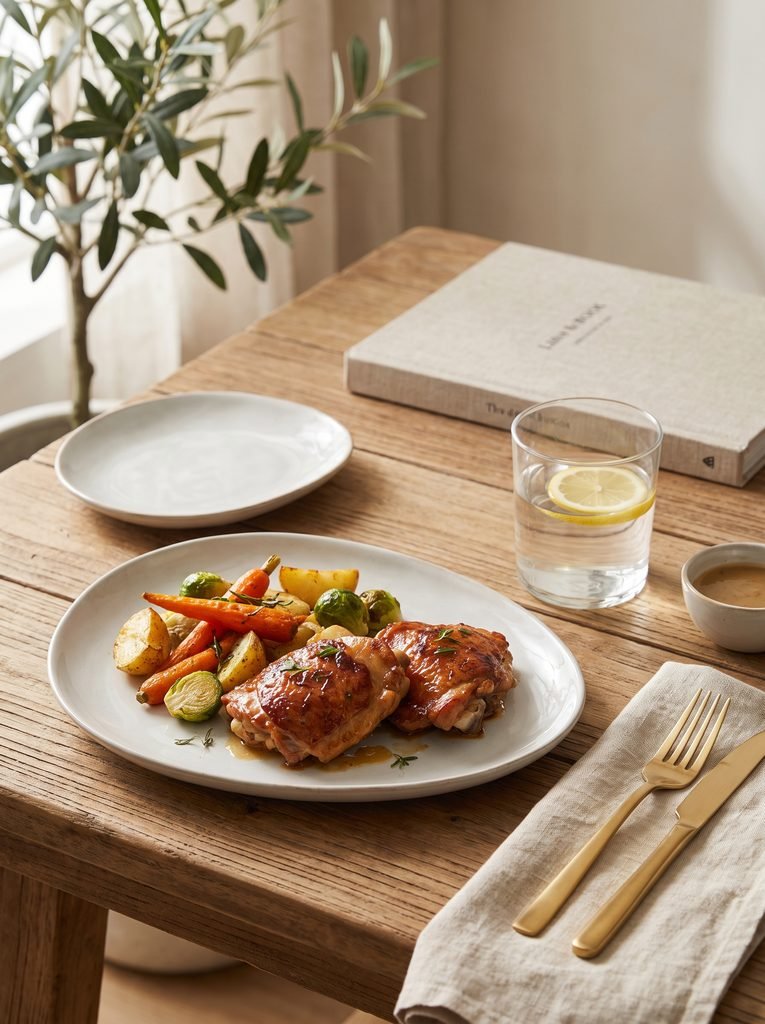
Nutritional values depend heavily on the amount of sweetener used, whether the skin is included, and portion size, so the figures below should be treated as general estimates, per serving of two thighs with glaze.
| Sticky Chicken Thighs Recipe | Estimated Calories | Protein | Carbohydrates | Fiber | Fat |
|---|---|---|---|---|---|
| Classic Sticky Chicken Thighs (bone-in, skin-on) | 420–480 kcal | 30–34g | 14–18g | 0–1g | 26–30g |
| Sticky Boneless Skinless Chicken Thighs | 320–380 kcal | 32–36g | 14–18g | 0–1g | 12–16g |
| Sticky Chicken Thighs with Reduced Sweetener | 340–400 kcal | 32–36g | 7–10g | 0–1g | 14–18g |
| Sugar-Free Sweetener Sticky Chicken Thighs | 320–380 kcal | 32–36g | 3–5g | 0–1g | 14–18g |
| Sticky Chicken Thighs with Roasted Vegetables | 400–460 kcal | 33–37g | 20–26g | 4–6g | 16–20g |
These estimates show that the amount of sweetener and whether the skin is included both have a substantial effect on the overall sugar, carbohydrate, and fat content of the dish, and that reducing the sweetener or substituting a sugar-free alternative can meaningfully lower carbohydrates while keeping protein relatively stable. As with any meal, no single dish determines weight-loss outcomes — sustainable results come from consistent dietary patterns, adequate physical activity, sufficient sleep, and overall calorie balance over time.
Conclusion
Sticky chicken thighs don’t have to be set aside entirely for readers focused on managing their weight. By using a moderate amount of sweetener relative to a generous portion of chicken and vegetables, choosing boneless, skinless thighs when a leaner option is preferred, or trying a reduced-sweetener or sugar-free glaze, you can enjoy these sticky chicken thighs while keeping the overall meal reasonably balanced. Leaning on garlic, ginger, vinegar, and a touch of gochujang for flavor, rather than relying primarily on sugar, is one of the easiest ways to lighten this dish without losing its signature stickiness.
Meal preparation, including batch-cooked chicken and glaze portioned separately, makes it easier to keep servings consistent throughout a busy week. Portion awareness and overall dietary balance remain central to any long-term goal, and it’s worth remembering that no single dish — sticky chicken thighs or otherwise — determines your results; consistency, activity, and a well-rounded approach to eating matter far more than any individual meal.
Try one of the sticky chicken thigh variations above this week — whether it’s the classic version in a reasonable portion or a lower-sugar, savory-forward take — and share your favorite version in the comments below.
For more inspiration, browse our [Healthy Dinner Recipes], [Meal Prep Recipes], and [Easy Healthy Recipes] collections.
More Recipe Inspiration
Looking for more delicious ideas to try? Visit Jowel Recipes to discover more recipe inspiration and creative dishes for your next meal.
Frequently Asked Questions
1. Are sticky chicken thighs a good option for weight loss recipe? Sticky chicken thighs can fit into a weight-conscious approach when the sweetener in the glaze is used in moderation relative to the amount of chicken and vegetables. Choosing boneless, skinless thighs, pairing the dish with a generous vegetable side, and serving it over cauliflower rice rather than a large portion of white rice helps create a more balanced meal. Individual needs vary, so portions should be adjusted based on your own goals and appetite.
2. Can I make a low-sugar version of sticky chicken thighs? Yes. Reducing the amount of honey or maple syrup and increasing the garlic, ginger, and vinegar preserves much of the flavor with less sugar. A sugar-free granulated or liquid sweetener can also replace the traditional sweetener for an even lower-carb glaze that still reduces to a sticky coating.
3. What should I serve with sticky chicken thighs for a balanced meal? Pairing sticky chicken thighs with fiber-rich vegetables, such as roasted broccoli, green beans, or bell peppers, helps round out the meal and offset the glaze’s sweetness. Serving them over cauliflower rice instead of white rice further moderates the overall carbohydrate content.
4. Are sticky chicken thighs suitable for meal prep? Yes, sticky chicken thighs keep well in the refrigerator for 3–4 days and generally freeze and reheat well. Reheating in the oven or air fryer, rather than the microwave, helps restore some of the original caramelized texture.
5. Can eating sticky chicken thighs in moderation help with weight management? Sticky chicken thighs, prepared with a reasonable amount of glaze and paired with vegetables, can be part of a balanced approach to eating, since the chicken itself provides substantial protein. That said, weight management depends on multiple factors, including total daily calories, dietary quality, physical activity, sleep, and consistency over time — not on any single dish or ingredient.