Table of Contents
Introduction
The slow cooker has earned its place as one of the most valuable tools in a health-conscious kitchen. Healthy Slow Cooker Recipes let you combine lean protein, vegetables, and seasonings in the morning, then return hours later to a fully cooked, flavorful meal — with almost no active cooking time in between. For readers focused on managing their weight, this hands-off approach makes it far easier to consistently prepare home-cooked meals built around protein and vegetables, rather than defaulting to convenience foods that are often higher in refined carbohydrates and added sodium.
It’s important to be upfront: using a slow cooker doesn’t cause weight loss on its own, and neither does any single recipe. Weight management depends on a combination of factors — total daily calorie intake, overall dietary quality, physical activity, consistency over time, sleep, and individual needs. What slow cooker cooking can offer is a practical, low-effort way to consistently prepare balanced meals, which supports the kind of dietary consistency that tends to matter more for long-term results than any single dish.
This is why choosing protein, vegetables, healthy fats, and fiber matters just as much in slow cooker cooking as in any other meal format. A slow cooker meal built mostly around a starchy sauce and little protein or vegetable content may be convenient, but a version built around lean protein, non-starchy vegetables, and a modest amount of healthy fat tends to be far more filling and nutritionally balanced.
In this article, you’ll find practical high-protein slow cooker recipes spanning chicken, beef, and seafood, vegetarian and vegetable-forward options, quick-prep ideas for busy weeks, guidance on building a balanced slow cooker meal across proteins, and batch-cooking strategies that make the slow cooker one of the most convenient tools for weekly meal prep — along with estimated nutritional information for representative recipes.
Best Healthy Slow Cooker Recipes for Weight Loss
High-Protein Slow Cooker Recipes Across Proteins
These recipes showcase different protein sources, each a strong fit within high protein lunch ideas extended into slow cooker cooking.
Slow Cooker Lemon Garlic Chicken Chicken breasts cooked with lemon juice, garlic, and herbs in a light broth create a versatile, protein-rich base that shreds easily for use in bowls, salads, or wraps throughout the week.
Slow Cooker Lean Beef Pot Roast A lean cut of beef, such as bottom round, cooked with carrots, celery, and onion creates a classic, protein-dense dish; trimming visible fat before cooking helps keep the meal leaner while preserving flavor.
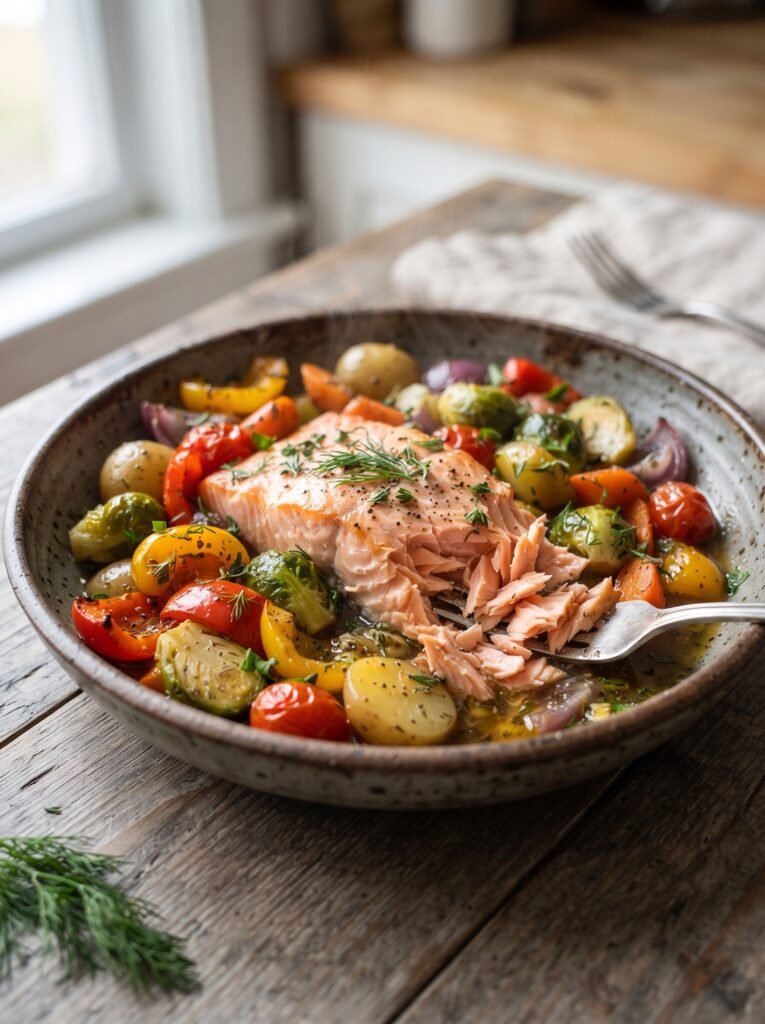
Slow Cooker Salmon with Vegetables Since fish cooks more quickly than meat, salmon fillets wrapped in foil packets with lemon and herbs can be added to the slow cooker during the final 45–60 minutes of cooking, alongside vegetables that have been cooking longer, for a protein- and omega-3-rich meal.
Slow Cooker Shrimp and Vegetable Curry Shrimp, added near the end of cooking to prevent overcooking, combined with a coconut milk and curry-spiced vegetable base, creates a flavorful, protein-forward dish with a moderate amount of healthy fat.
Slow Cooker Turkey and White Bean Stew Ground turkey simmered with white beans, tomatoes, and spinach offers protein from two sources along with fiber from the beans, making it especially filling.
Vegetarian and Vegetable-Forward Slow Cooker Recipes
These recipes emphasize plant-based protein and abundant vegetables, aligning with low carb lunch recipes and vegetarian eating patterns alike.
Slow Cooker Lentil and Vegetable Soup Lentils provide plant-based protein and substantial fiber, and when combined with carrots, celery, and tomatoes, create a hearty, filling soup, though portion awareness is useful given lentils’ carbohydrate content relative to non-starchy vegetables.
Slow Cooker Tofu and Vegetable Curry Cubed tofu combined with cauliflower, bell peppers, and a curry-spiced coconut milk base offers a plant-based, protein-containing dish with warm, comforting flavor.
Slow Cooker Black Bean Soup Black beans cooked with tomatoes, peppers, and cumin create a hearty, fiber-rich soup; pairing it with a protein topping like a dollop of Greek yogurt or a fried egg helps balance the meal.
Slow Cooker Cauliflower and Cheese Soup Cauliflower florets cooked until tender, then blended with a small amount of cheese and broth, create a creamy, lower-carb alternative to potato-based soups.
Slow Cooker Vegetable and Chickpea Stew Chickpeas combined with zucchini, tomatoes, and warming spices like cumin and coriander create a hearty, plant-based stew rich in both protein and fiber.
Quick-Prep Healthy Slow Cooker Ideas for Busy Weeks
These options minimize prep time on cooking day, focusing on easy-to-make recipes for readers with limited time.
Two-Ingredient Salsa Chicken — Chicken breasts and a jar of salsa, cooked on low for several hours, requiring virtually no chopping.
Frozen Vegetable and Chicken Soup — Frozen mixed vegetables added directly to the slow cooker with chicken and broth, skipping the vegetable prep step entirely.
Canned Bean and Vegetable Chili — Canned beans, canned diced tomatoes, and chili seasoning combined for a simple, low-prep chili.
Pre-Seasoned Beef and Vegetables — A beef roast seasoned with a pre-made spice blend, cooked with baby carrots and celery for minimal prep.
Bagged Stir-Fry Vegetables and Chicken — A bag of pre-chopped stir-fry vegetables combined with chicken and a light sauce, finished with a quick stir at the end.
For maximum efficiency, prepare and freeze slow cooker ingredient bags in advance — combining raw protein, seasonings, and chopped vegetables in freezer bags that can go straight from the freezer to the slow cooker on a busy morning.
How to Build a Healthy Slow Cooker Meal
Choosing the Right Protein
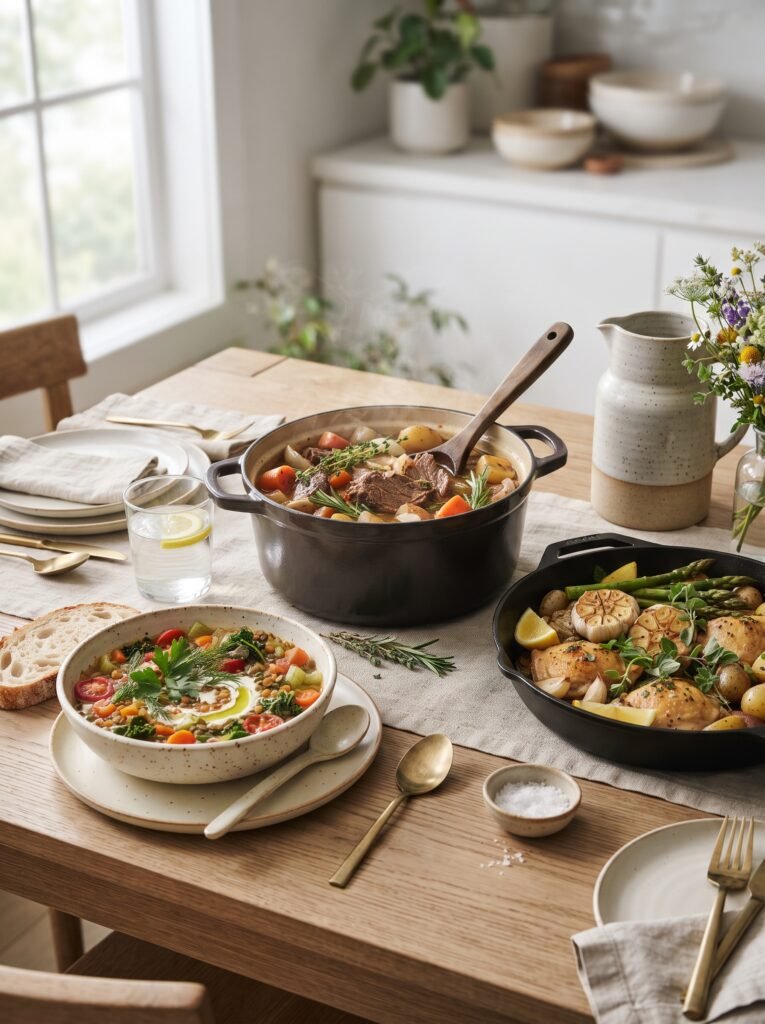
A wide range of proteins work well in the slow cooker, though cooking times vary considerably. Chicken breast, turkey, and lean beef cuts can generally cook for the full duration alongside vegetables, while more delicate proteins like shrimp, fish, and tofu are best added during the final portion of cooking to avoid becoming overcooked or falling apart.
Other reliable protein options include eggs (typically used in dishes prepared separately, like egg bakes), Greek yogurt, and cottage cheese as finishing additions. Protein needs vary considerably from person to person based on factors such as body composition, activity level, and overall health goals, so readers should consider their individual requirements, ideally with guidance from a registered dietitian or healthcare provider.
Adding Vegetables, Fiber, and Healthy Fats
The slow cooker is particularly well-suited to incorporating a wide variety of vegetables, since heartier options like carrots, celery, and cauliflower hold up well over long cooking times, while more delicate vegetables like zucchini, spinach, and fresh herbs are best added toward the end. Useful vegetables include leafy greens, broccoli, cauliflower, zucchini, bell peppers, and tomatoes.
Healthy fats such as olive oil, avocado, nuts, and seeds can be added as finishing touches — a drizzle of olive oil, a spoonful of coconut milk in a curry, or a few slices of avocado on top of a finished dish adds richness and can support satiety. As with any meal, portion awareness applies, with a tablespoon of olive oil or a quarter of an avocado generally being reasonable servings.
Fiber from vegetables and legumes adds valuable bulk to slow cooker meals, helping a bowl of protein and vegetables feel more substantial and satisfying than protein alone.
Healthy Alternatives to High-Carb Ingredients
Several practical substitutions can help lower the refined-carbohydrate content of slow cooker meals across cuisines and proteins, without eliminating carbohydrates entirely:
- Cauliflower rice instead of white rice as a base
- Zucchini noodles instead of egg noodles or pasta (added fresh, near the end)
- Mashed cauliflower instead of mashed potatoes as a side
- Lettuce wraps instead of bread or tortillas for shredded proteins
- Extra vegetables instead of bread as an accompaniment
These swaps allow readers to enjoy familiar, comforting slow cooker flavors across a variety of cuisines while adjusting the carbohydrate content to fit personal preferences. Most readers do not need to eliminate starches entirely; the goal is a balanced meal appropriate to individual goals.
For more inspiration, see our [Low Carb Recipes] and [Healthy Dinner Recipes] collections.
Meal Prep, Serving Suggestions & Nutrition
Meal-Prep Tips for Busy Weeks
Slow cooker meals are naturally well-suited to batch cooking, supporting a consistent meal prep lunch ideas routine regardless of which protein or cuisine you choose:
- Cook large batches — A single slow cooker session typically provides 4–6 servings for the week.
- Prep ingredient bags in advance — Combine raw protein, seasonings, and heartier vegetables in freezer bags that go directly into the slow cooker later.
- Add delicate ingredients last — Shrimp, fish, zucchini noodles, spinach, and fresh herbs are best added during the final 20–45 minutes of cooking, depending on the ingredient.
- Store toppings separately — Keep fresh items like avocado, cheese, or herbs apart from the main dish until serving.
- Use airtight containers — Most slow cooker meals store well in the refrigerator for 3–4 days or in the freezer for longer.
- Prepare 3–5 lunches at once — A single slow cooker session can cover most of the week’s lunches with minimal daily effort.
- Portion into individual containers — Dividing the finished dish into single servings right after cooking makes weekday grabbing effortless.
Serving Suggestions and Flavor Combinations
Slow-cooked proteins are versatile and pair well with a variety of fresh accompaniments across different cuisines:
- Lemon garlic chicken + steamed broccoli + a drizzle of olive oil
- Beef pot roast + roasted carrots + fresh thyme
- Salmon + roasted vegetables + a squeeze of lemon
- Shrimp curry + cauliflower rice + fresh cilantro
- Lentil soup + a dollop of Greek yogurt + cumin
- Tofu curry + steamed greens + a sprinkle of sesame seeds
Fresh herbs such as parsley, basil, cilantro, and thyme, along with spices like cumin, smoked paprika, curry powder, and garlic powder, can add significant depth of flavor to slow cooker meals across cuisines without relying on refined carbohydrates. A squeeze of lemon or lime, or a splash of vinegar, added just before serving can also brighten the flavor of a rich, slow-cooked dish.
Explore our [Healthy Chicken Recipes] and [High Protein Recipes] for additional protein-specific ideas.
Nutritional Information and Weight-Loss Considerations
Nutritional values depend heavily on the specific protein, ingredients, and portion sizes, so the figures below should be treated as general estimates.
| Healthy Slow Cooker Recipe | Estimated Calories | Protein | Carbohydrates | Fiber | Fat |
|---|---|---|---|---|---|
| Lemon Garlic Chicken (with vegetables) | 300–360 kcal | 34–38g | 6–9g | 2–4g | 12–16g |
| Lean Beef Pot Roast (with vegetables) | 340–400 kcal | 34–38g | 10–14g | 3–5g | 14–18g |
| Salmon with Roasted Vegetables | 380–440 kcal | 30–34g | 8–12g | 3–5g | 22–26g |
| Shrimp and Vegetable Curry | 340–400 kcal | 26–30g | 14–18g | 4–6g | 18–22g |
| Lentil and Vegetable Soup | 280–340 kcal | 16–20g | 32–38g | 10–12g | 6–10g |
These estimates suggest that slow cooker meals can provide a substantial amount of protein while remaining relatively moderate in carbohydrates, particularly when paired with non-starchy vegetables rather than rice, pasta, or bread. As with any meal, no single recipe determines weight-loss outcomes. Sustainable results generally come from consistent dietary patterns over time, adequate physical activity, sufficient sleep, and overall calorie balance — not from any one dish or ingredient.
Conclusion
The slow cooker is one of the most valuable tools available for building a consistent, protein-rich meal routine with minimal daily effort, whether you’re working with chicken, beef, seafood, or plant-based proteins. By anchoring recipes around lean protein and filling out the pot with non-starchy vegetables and herbs, you can create healthy slow cooker recipes that are both flavorful and well-suited to a balanced, weight-conscious approach. Simple swaps — like cauliflower rice instead of white rice or zucchini noodles instead of egg noodles — make it easy to lighten favorite recipes across cuisines while keeping their familiar, satisfying flavor.
Batch cooking is one of the most practical strategies for making this approach sustainable during a busy week, since a single slow cooker session can provide several days’ worth of meals with almost no ongoing effort. Portion awareness and overall dietary balance remain central to any long-term goal, and it’s worth remembering that no single meal determines your results — consistency, activity, and a well-rounded approach to eating matter far more than any individual dish.
Try one of the healthy slow cooker recipes above this week — whether it’s a simple lemon garlic chicken or a warming lentil and vegetable soup — and share your favorite combination in the comments below.
For more inspiration, browse our [Healthy Dinner Recipes], [Meal Prep Recipes], and [Easy Healthy Recipes] collections.
More Recipe Inspiration
Looking for more delicious ideas to try? Visit Jowel Recipes to discover more recipe inspiration and creative dishes for your next meal.
Frequently Asked Questions
1. What is a good healthy slow cooker recipe for weight loss recipe? A good healthy slow cooker recipe for weight management typically pairs a lean protein — such as chicken, lean beef, salmon, or lentils — with non-starchy vegetables and light seasonings rather than heavy, starch-based sauces. Options like lemon garlic chicken with broccoli or a lentil and vegetable soup offer a filling balance of protein and fiber. Individual needs vary, so portions should be adjusted based on your own goals and appetite.
2. Can I make low-carb meals in a slow cooker? Yes. Many slow cooker recipes across proteins can be adapted to a low-carb pattern by using cauliflower rice instead of white rice, zucchini noodles instead of pasta or egg noodles, and lettuce wraps instead of bread or tortillas. This works whether you’re cooking chicken, beef, seafood, or a vegetarian dish.
3. What ingredients pair well with healthy slow cooker meals? Slow cooker meals pair well with non-starchy vegetables such as broccoli, cauliflower, zucchini, and bell peppers, along with healthy fats like avocado and olive oil added after cooking. Fresh herbs and spices, added either during or after cooking, add flavor without relying on refined carbohydrates.
4. Are healthy slow cooker recipes suitable for meal prep? Yes, slow cooker recipes are among the most meal-prep-friendly cooking methods available. A single batch typically provides 4–6 servings, and most slow-cooked proteins store well in the refrigerator for several days or in the freezer for longer periods, making it easy to portion into meals throughout the week.
5. Can healthy slow cooker meals help with weight management? Slow cooker meals that are high in protein and paired with fiber-rich vegetables may help you feel fuller for longer, which can support efforts to manage overall calorie intake. The hands-off nature of slow cooking can also make it easier to consistently prepare home-cooked meals rather than relying on convenience foods. That said, weight management depends on multiple factors, including total daily calories, dietary quality, physical activity, sleep, and consistency over time — not on any single meal or cooking method.