Table of Contents
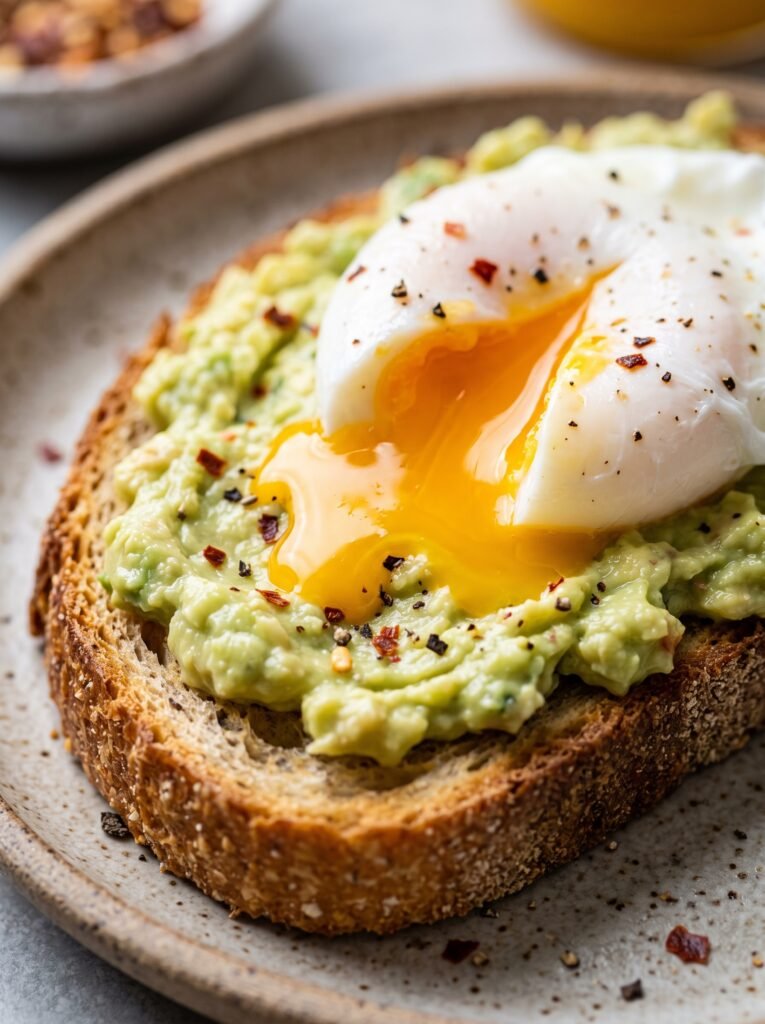
Among the vast landscape of morning meals, avocado toast with poached eggs has secured its position as one of the best recipes for health-conscious individuals seeking a perfect balance of nutrition, flavor, and visual appeal. This dish exemplifies why simple, quality ingredients often surpass complex preparations in both taste and nutritional value. The significance of this particular recipe lies in its remarkable ability to deliver sustained energy, essential nutrients, and genuine satisfaction within minutes of preparation time.
This easy-to-make recipe has transcended trend status to become a staple among nutritionists, chefs, and everyday home cooks alike. The combination of creamy avocado, perfectly poached eggs, and crusty artisan bread creates a nutritional powerhouse that supports cognitive function, muscle maintenance, and heart health simultaneously. As one of the most celebrated healthy recipes in contemporary breakfast culture, avocado toast with poached eggs demonstrates that nutritious eating need not sacrifice indulgence or culinary sophistication.
The growing appeal of this dish stems from its exceptional versatility and adaptability to various dietary preferences and nutritional goals. Whether preparing a quick weekday breakfast or an elegant weekend brunch centerpiece, this recipe consistently delivers restaurant-quality results with minimal technical expertise required. This comprehensive guide will explore every aspect of creating the perfect avocado toast with poached eggs, ensuring exceptional results with each preparation.
Ingredients List
Detailed Description of Ingredients and Exact Quantities
Creating exceptional avocado toast with poached eggs requires precise ingredient selection and measurement for consistent, restaurant-quality results. For two generous servings, gather 2 slices of high-quality sourdough or whole grain bread, cut approximately ¾ inch thick to provide adequate structural support for toppings. Select 1 large, perfectly ripe avocado, identified by slight give when pressed gently near the stem.
The egg component requires 2 large, fresh eggs, preferably organic or free-range for superior flavor and richer yolk color. Fresh eggs hold their shape better during poaching, resulting in cleaner presentation. For the poaching liquid, prepare 4 cups of water combined with 1 tablespoon of white vinegar, which helps proteins coagulate more efficiently.
Seasoning components include ¼ teaspoon of sea salt, ⅛ teaspoon of freshly ground black pepper, and 1 tablespoon of fresh lemon juice to prevent avocado oxidation while adding bright acidity. Optional but recommended additions include ¼ teaspoon of red pepper flakes for subtle heat, 1 tablespoon of extra-virgin olive oil for drizzling, and 2 tablespoons of microgreens or fresh herbs such as cilantro or chives for garnish and nutritional enhancement.
Nutritional Benefits of Key Ingredients
Avocados provide exceptional nutritional density, delivering approximately 21 grams of heart-healthy monounsaturated fats per fruit, which support cardiovascular health and enhance absorption of fat-soluble vitamins. This nutrient-dense fruit contains nearly 10 grams of fiber, promoting digestive health and sustained satiety throughout the morning hours. Additionally, avocados provide significant potassium content, exceeding even bananas, supporting healthy blood pressure regulation and muscle function.
Eggs contribute complete, high-quality protein, with each large egg providing approximately 6 grams of essential amino acids necessary for muscle maintenance and cellular repair. The yolk contains choline, a crucial nutrient supporting brain health and cognitive function, along with lutein and zeaxanthin, antioxidants that protect eye health. This combination makes eggs one of nature’s most nutritionally complete foods available for breakfast consumption.
Whole grain or sourdough bread contributes complex carbohydrates that provide sustained energy release throughout the morning, preventing the blood sugar spikes associated with refined flour products. Sourdough bread specifically offers improved digestibility due to fermentation processes that break down gluten proteins and phytic acid, enhancing nutrient bioavailability while providing beneficial prebiotic compounds that support gut health.
Healthy or Alternative Ingredient Options
Accommodating diverse dietary needs, several alternatives can seamlessly replace traditional ingredients while maintaining nutritional excellence. For gluten-free requirements, substitute standard bread with gluten-free sourdough, sweet potato toast, or rice cakes, each providing suitable structural bases for toppings. Individuals following low-carbohydrate diets might consider using large portobello mushroom caps or thick zucchini slices as bread alternatives.
For those avoiding eggs due to allergies or dietary preferences, consider substituting with pan-seared tempeh, roasted chickpeas seasoned with turmeric for color, or a scoop of hummus for protein content. Vegan alternatives might incorporate nutritional yeast for umami flavor development, replacing the savory depth traditionally provided by eggs.
Additional healthy toppings can enhance nutritional diversity, including sliced tomatoes for lycopene content, everything bagel seasoning for flavor complexity without added calories, or a poached or fried egg replaced with smoked salmon for omega-3 fatty acids. Hemp seeds or pumpkin seeds provide additional protein and healthy fats for those seeking increased nutritional density within this foundational recipe.
Preparation Instructions
Pre-preparation Guidelines
Successful execution begins with proper ingredient preparation and equipment organization. Remove eggs from refrigeration 15 minutes before cooking, as room-temperature eggs poach more evenly than cold eggs directly from the refrigerator. This simple step significantly impacts final texture and appearance.
Prepare your poaching station by selecting a wide, shallow saucepan that allows eggs adequate space without overcrowding. Fill with water to approximately 3 inches depth, ensuring sufficient volume for gentle egg movement during cooking. Have a slotted spoon, small bowl for cracking eggs, and paper towels ready before beginning the cooking process.
Slice the avocado in half, remove the pit, and scoop flesh into a small bowl. Add lemon juice immediately to prevent oxidation and browning. Toast bread slices to your preferred doneness, typically medium-golden color, ensuring adequate crispness to support toppings without becoming soggy. Organize all seasonings and garnishes within reach for efficient assembly once eggs complete cooking.
Step-by-Step Cooking Process
Begin by bringing the water and vinegar mixture to a gentle simmer, avoiding a rolling boil that can break eggs apart during poaching. Reduce heat to maintain small, consistent bubbles rather than vigorous boiling. Create a gentle whirlpool in the water using a spoon, which helps eggs maintain compact, attractive shapes during cooking.
Crack one egg into a small bowl first, then gently slide it into the center of the whirlpool. Repeat with the second egg, working quickly but carefully. Allow eggs to cook undisturbed for 3-4 minutes for a runny yolk with set whites, or up to 5 minutes for firmer yolks. The whites should appear completely opaque and set while yolks remain slightly soft when gently pressed.
While eggs cook, mash the avocado with a fork, leaving some texture rather than creating a completely smooth puree. Season with salt, pepper, and additional lemon juice to taste. Spread the mashed avocado generously across each slice of toasted bread. Using a slotted spoon, carefully remove poached eggs from water, allowing excess liquid to drain, then place directly atop the avocado layer. Finish with black pepper, red pepper flakes, olive oil drizzle, and fresh garnishes immediately before serving.
Tips for Avoiding Common Errors and Enhancing Flavor
Achieving perfectly poached eggs requires attention to several critical factors. Using fresh eggs proves essential, as older eggs have thinner whites that spread excessively in water, creating unappealing wispy strands rather than compact, attractive shapes. Additionally, avoid overcrowding the poaching liquid, as this causes eggs to stick together and cook unevenly.
Temperature control significantly impacts results—water that’s too hot causes whites to become tough and rubbery, while insufficient heat results in eggs that never properly set. Maintain gentle, consistent simmering throughout the cooking process rather than fluctuating temperatures. The vinegar addition, while sometimes imparting subtle flavor, helps proteins coagulate faster, creating cleaner, more compact poached eggs.
For enhanced flavor development, consider toasting bread with a light garlic rub before adding toppings, infusing subtle aromatic notes throughout each bite. Season avocado generously, as this component often requires more salt than expected to achieve optimal flavor balance. Finally, serve immediately after assembly, as poached eggs continue cooking from residual heat and avocado begins oxidizing quickly once exposed to air, making timing crucial for optimal presentation and taste.
Serving Suggestions & Nutritional Info
Innovative Plating and Presentation Ideas
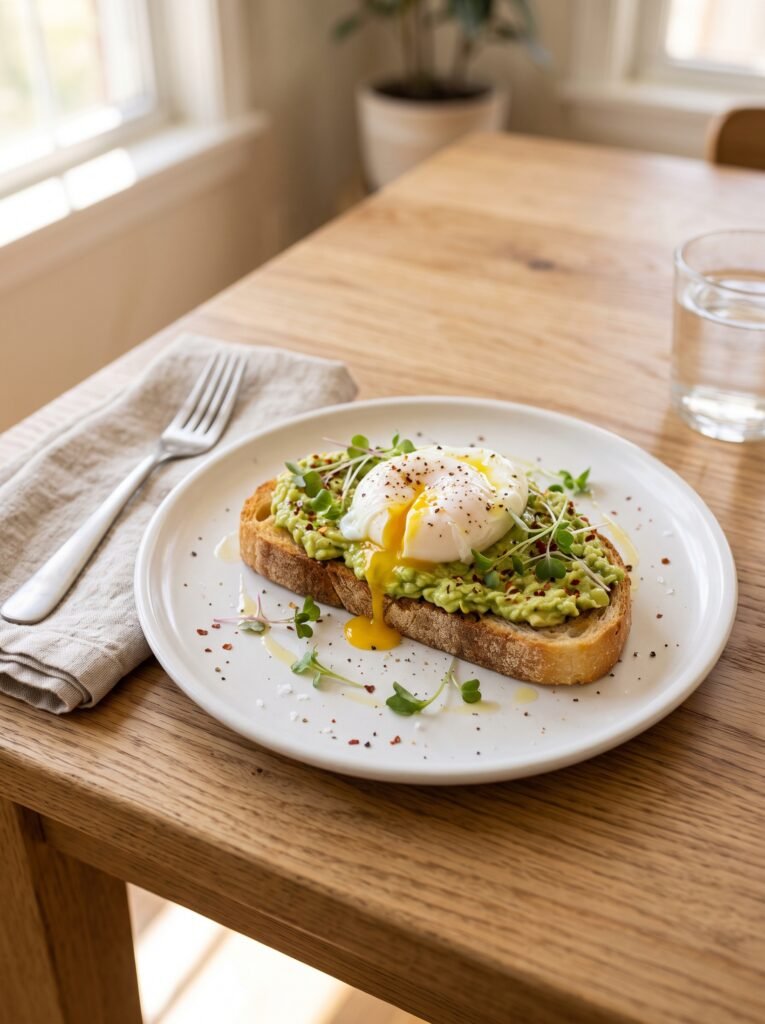
Elevating this simple dish into an Instagram-worthy presentation requires thoughtful plating techniques that showcase each component’s natural beauty. Position the toast slightly off-center on a clean, white plate, allowing negative space to highlight the vibrant colors of avocado and egg yolk. This minimalist approach draws attention to the dish’s natural appeal without unnecessary distractions.
Consider the visual impact of a perfectly runny egg yolk cascading slowly across the green avocado base—this dynamic element creates immediate visual interest and communicates freshness. Garnish thoughtfully with a few carefully placed microgreens or herb leaves rather than haphazard scattering, creating intentional, restaurant-quality composition. A light drizzle of good olive oil creates attractive sheen while adding subtle flavor complexity.
For brunch presentations, consider serving on a wooden board alongside small bowls of additional toppings, allowing guests to customize their experience. Adding a few cherry tomatoes, cut in half and lightly seasoned, provides color contrast and additional visual appeal while complementing the dish’s flavor profile beautifully.
Suitable Side Dishes and Pairings
While substantial enough as a standalone breakfast, avocado toast with poached eggs pairs beautifully with complementary items that enhance the overall dining experience. Fresh fruit, particularly citrus segments or berries, provides refreshing contrast and additional vitamin content. A simple side salad with light vinaigrette offers additional vegetables and fiber for those seeking a more substantial meal.
Beverage pairings should complement rather than overwhelm the dish’s delicate flavors. Fresh orange juice, herbal tea, or a well-crafted latte provide excellent morning accompaniments. For weekend brunch settings, this dish pairs wonderfully with mimosas or bloody marys for those seeking a celebratory touch to their meal.
Nutritional Facts and Health Benefits
Each serving of avocado toast with poached eggs provides approximately 320 calories, offering an excellent macronutrient balance of 14 grams protein, 28 grams carbohydrates, and 19 grams healthy fats. This combination supports sustained energy release throughout the morning while providing essential nutrients supporting brain function, heart health, and muscle maintenance simultaneously, making it genuinely one of the best recipes for balanced nutrition.
More Recipe Inspiration
Looking for more delicious ideas to try? Visit Jowel Recipes to discover more recipe inspiration and creative dishes for your next meal.
Frequently Asked Questions
Q: How do I select the perfectly ripe avocado for this recipe?
A: Choose avocados that yield slightly to gentle pressure without feeling mushy. The skin should appear dark green to black (depending on variety) without significant blemishes. If avocados feel too firm, allow them to ripen at room temperature for 2-3 days before use.
Q: Can I prepare poached eggs in advance for meal prep purposes?
A: Yes, poached eggs can be prepared up to 24 hours ahead. Cook eggs slightly less than usual, then transfer to ice water to stop cooking. Store refrigerated in water, then reheat briefly in simmering water for 30-60 seconds before serving.
Q: What’s the best bread option for optimal texture and nutrition?
A: Sourdough bread offers superior flavor, digestibility, and structural integrity. Whole grain alternatives provide additional fiber. Avoid overly soft breads that become soggy quickly under toppings.
Q: How can I prevent my avocado from browning if not serving immediately?
A: Add lemon or lime juice immediately after mashing, cover with plastic wrap pressed directly against the surface, and refrigerate. This minimizes air exposure and oxidation for up to several hours.
Q: Is this recipe suitable for weight management goals?
A: Absolutely. The combination of healthy fats, protein, and fiber promotes significant satiety, helping control overall caloric intake throughout the day while providing essential nutrients that support metabolic health.
Conclusion
Avocado toast with poached eggs stands as a testament to how simple, quality ingredients create extraordinary culinary experiences. This healthy recipe delivers exceptional nutrition, satisfying flavor, and visual appeal within minutes of preparation. We encourage you to try this recipe and share your experience, variations, and feedback with our community of health-conscious food enthusiasts.