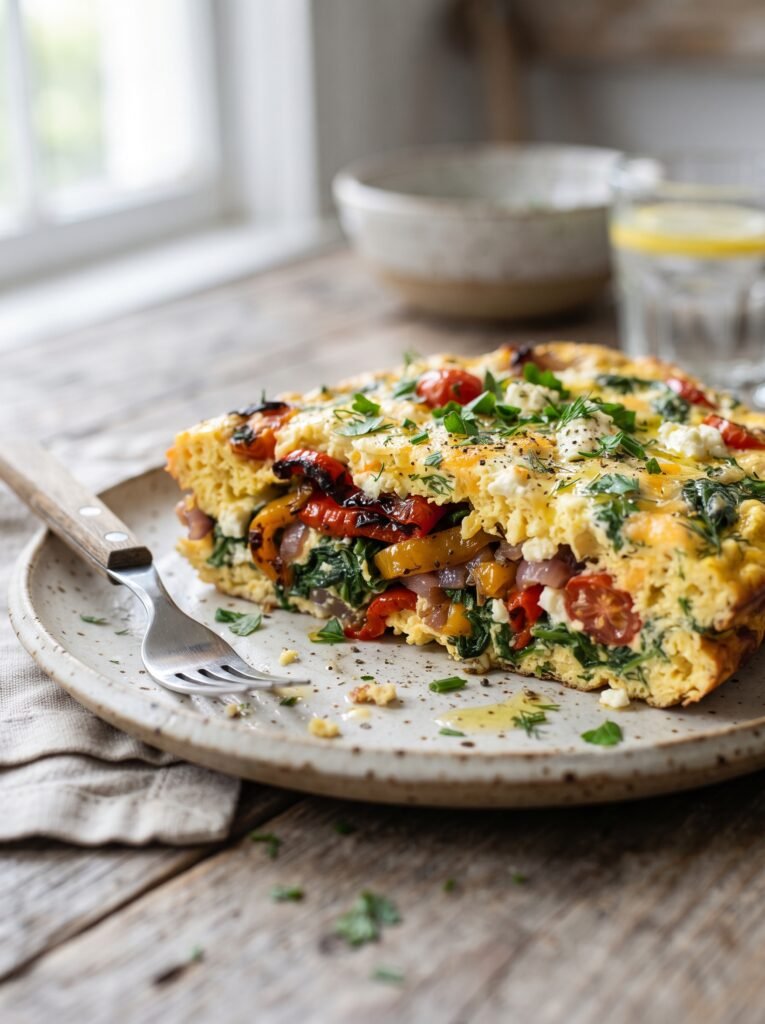
Table of Contents
Introduction
Weekend brunch is one of the most enjoyable ways to gather with family and friends, combining the best of breakfast and lunch into a relaxed, shareable spread. Weekend Brunch Ideas can absolutely fit into a balanced, weight-conscious approach when the spread includes a good mix of protein-rich mains, fresh vegetables, and thoughtfully portioned indulgences, rather than being built entirely around pastries, sugary syrups, and refined carbohydrates.
It’s worth being clear from the outset: no brunch spread, and no single dish, causes weight loss on its own. Weight management depends on a combination of factors — total daily calorie intake, overall dietary quality, physical activity, consistency over time, sleep, and individual needs. What a well-balanced brunch can offer is a genuinely satisfying, social meal that doesn’t have to derail an otherwise balanced week, especially when protein-rich dishes anchor the table alongside lighter, vegetable-forward options.
This is why choosing protein, vegetables, healthy fats, and fiber matters just as much at brunch as at any other meal. A spread built entirely around pastries, waffles, and mimosas offers little protein or fiber relative to its calorie content, while a spread that includes a frittata, a fresh salad, and fruit alongside a few indulgent options tends to be far more balanced and satisfying overall.
In this article, you’ll find practical high-protein brunch main dishes, fresh and shareable sides that bring vegetables to the table, lighter versions of classic brunch favorites, tips for building a balanced brunch spread, and make-ahead strategies that make hosting brunch far less stressful — along with estimated nutritional information for representative dishes.
Best Weekend Brunch Ideas for Weight Loss
High-Protein Brunch Main Dishes
These dishes anchor a brunch spread with substantial protein, a strong fit within high protein lunch ideas extended into a weekend gathering.
Vegetable and Cheese Frittata A frittata made with eggs, sautéed vegetables, and a moderate amount of cheese is easy to make in a large batch, slices neatly for serving a group, and provides a substantial protein dose per serving.
Smoked Salmon and Egg Platter A shareable platter featuring soft-boiled or poached eggs, smoked salmon, capers, red onion, and cucumber offers a protein- and healthy-fat-rich option with an elegant presentation well-suited to entertaining.
Turkey Sausage and Egg Bake A casserole-style dish combining turkey sausage, eggs, and vegetables can be prepared in advance and baked just before guests arrive, providing a hearty, protein-rich main with minimal day-of effort.
Shakshuka Eggs poached in a spiced tomato and pepper sauce create a flavorful, protein-rich dish that’s naturally vegetable-forward and works well served directly from the skillet for a communal brunch experience.
Greek Yogurt Parfait Bar Setting out a large bowl of plain Greek yogurt alongside a variety of toppings — berries, nuts, a modest amount of granola, and a drizzle of honey — lets guests build their own protein-rich parfait while controlling their own portions of higher-sugar toppings.
Fresh, Shareable Brunch Sides
These sides bring vegetables and fiber to the table, aligning with low carb lunch recipes principles even within an indulgent brunch spread.
Mixed Greens Salad with Citrus Vinaigrette A simple salad of mixed greens, sliced citrus, and a light vinaigrette adds freshness and fiber to a brunch table that might otherwise lean heavily toward richer dishes.
Roasted Vegetable Platter A colorful platter of roasted asparagus, bell peppers, and cherry tomatoes, finished with a drizzle of olive oil, offers a vegetable-forward side that pairs well with almost any main dish.
Avocado and Tomato Salad Sliced avocado and tomato with a sprinkle of flaky salt and fresh herbs create a simple, healthy-fat-rich side that requires minimal preparation.
Fresh Fruit Platter An assortment of seasonal fruit offers natural sweetness and fiber, serving as a lighter alternative or complement to syrup-heavy dishes like pancakes or waffles.
Cucumber and Herb Salad Thinly sliced cucumber tossed with fresh dill, a splash of vinegar, and a touch of olive oil provides a refreshing, low-carb side that balances richer brunch dishes.
Lighter Takes on Classic Brunch Favorites
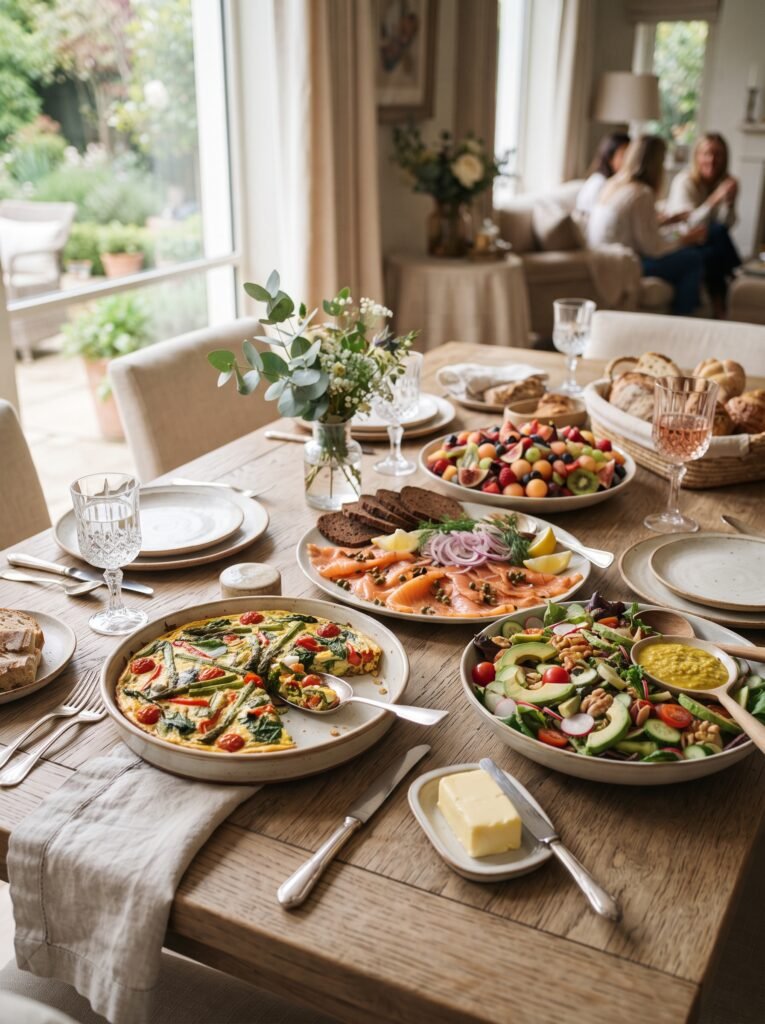
For readers who want to include familiar brunch classics while keeping the spread balanced, these lightened versions fit within healthy lunch recipes for weight loss principles.
Whole-Grain Waffles with Greek Yogurt and Berries Whole-grain waffles topped with a dollop of Greek yogurt and fresh berries, rather than a large amount of butter and syrup, offer more protein and fiber than a traditional syrup-heavy version.
Almond Flour Pancakes Pancakes made primarily from almond flour and eggs provide a lower-carbohydrate, higher-protein alternative to traditional flour-based pancakes, while still delivering a familiar texture.
Egg White Omelet Bar Offering an omelet bar with egg whites (or a mix of whole eggs and egg whites) alongside a variety of vegetable and lean protein fillings lets guests build a lighter, protein-forward omelet to their own preference.
Turkey Bacon Instead of Traditional Bacon Swapping traditional bacon for turkey bacon reduces the saturated fat content of the spread while still offering a familiar, savory breakfast meat.
Mini Quiches with a Crustless Base Individually portioned crustless mini quiches, made with eggs, vegetables, and a small amount of cheese, offer the flavor of a classic quiche without the refined-carbohydrate crust, while also being easy to portion for a crowd.
How to Build a Healthy Brunch Spread
Choosing the Right Protein
A balanced brunch spread benefits from at least one substantial protein-forward main dish, such as a frittata, egg bake, or smoked salmon platter, around which the rest of the spread can be built. Other reliable protein sources include eggs, turkey sausage or bacon, smoked salmon, Greek yogurt, and cottage cheese.
Aim to make protein a visible, central part of the table rather than an afterthought tucked beside pastries and pancakes. Protein needs vary from person to person depending on factors such as body composition, activity level, and overall health goals, so readers should consider their individual dietary needs, ideally with guidance from a registered dietitian or healthcare provider.
Adding Vegetables, Fiber, and Healthy Fats
Brunch spreads often lean heavily toward baked goods and sweet dishes, which makes vegetables and fiber an easy area to strengthen. Useful options include leafy greens, broccoli, cauliflower, cucumber, zucchini, bell peppers, and tomatoes, many of which work well in a frittata, salad, or roasted vegetable platter.
Healthy fats such as avocado, olive oil, nuts, and cheese can round out a brunch spread, adding flavor and helping dishes feel satisfying. Portion awareness still applies at a shared table — offering a moderate amount of cheese or a light drizzle of olive oil, rather than an especially rich, butter-heavy preparation, helps keep the overall spread more balanced.
Fiber from fresh fruit, vegetables, and whole grains adds valuable bulk to the brunch table, helping the meal feel more satisfying and complete alongside richer, more indulgent dishes.
Healthy Alternatives to High-Carb Ingredients
Several practical substitutions can help create a more balanced brunch spread without eliminating classic favorites entirely:
- Almond flour pancakes instead of traditional flour-based pancakes
- A crustless mini quiche instead of a traditional pastry-crusted quiche
- Whole-grain waffles instead of white-flour waffles
- Greek yogurt and berries instead of a large amount of syrup as a topping
- A fresh salad or roasted vegetable platter instead of an all-carbohydrate side spread
These swaps allow readers to enjoy familiar brunch flavors while adjusting the overall carbohydrate and added-sugar content of the meal. Most readers do not need to eliminate pancakes, waffles, or pastries entirely; the goal is a brunch spread that feels balanced overall, with lighter and richer dishes both represented.
For more inspiration, see our [Healthy Breakfast Ideas] and [Low Carb Recipes] collections.
Meal Prep, Serving Suggestions & Nutrition
Meal-Prep Tips for Stress-Free Brunch Hosting
Preparing components in advance is one of the most effective ways to make hosting brunch manageable, supporting the same principles behind meal prep lunch ideas applied to entertaining:
- Prepare egg dishes the night before — A frittata or egg bake can often be assembled the night before and baked just before guests arrive.
- Wash and chop vegetables in advance — Prepping salad greens, fruit, and vegetables ahead of time reduces morning-of stress.
- Make dressings and sauces ahead — A citrus vinaigrette or a yogurt-based sauce can be made a day or two in advance and stored in the refrigerator.
- Set out a build-your-own station — A parfait bar or omelet bar allows guests to customize their plate while reducing the number of individually plated dishes you need to prepare.
- Use airtight containers for prepped components — Storing chopped vegetables, cooked proteins, and sauces separately keeps everything fresh until assembly.
- Prepare dishes that reheat well — Casseroles, frittatas, and roasted vegetables generally reheat better than delicate items like a fresh salad, which should be assembled closer to serving time.
- Offer both make-ahead and fresh elements — Balancing prepared dishes with a few last-minute fresh items, like a fruit platter, keeps the spread feeling fresh without requiring everything to be made same-day.
Serving Suggestions and Flavor Combinations
A balanced brunch spread benefits from variety across both flavor and nutritional profile:
- Vegetable frittata + mixed greens salad + fresh fruit
- Smoked salmon platter + cucumber and herb salad + capers
- Turkey sausage egg bake + roasted vegetable platter
- Shakshuka + a side of avocado + crusty whole-grain bread (in moderation)
- Almond flour pancakes + Greek yogurt + fresh berries
Fresh herbs such as dill, chives, and basil, along with citrus and a light drizzle of good olive oil, can elevate a brunch spread without relying on heavy, refined-carbohydrate-based dishes. Offering a mix of lighter and richer dishes lets guests build a plate that suits their own preferences and appetite.
Explore our [Healthy Chicken Recipes] and [High Protein Recipes] for additional brunch-friendly protein ideas.
Nutritional Information and Weight-Loss Considerations

Nutritional values depend heavily on specific ingredients, portion sizes, and preparation methods, so the figures below should be treated as general estimates, per serving.
| Brunch Dish | Estimated Calories | Protein | Carbohydrates | Fiber | Fat |
|---|---|---|---|---|---|
| Vegetable and Cheese Frittata (1 slice) | 220–270 kcal | 16–20g | 4–6g | 1–3g | 15–18g |
| Smoked Salmon and Egg Platter | 280–340 kcal | 22–26g | 5–8g | 1–3g | 18–22g |
| Shakshuka (1 serving, 2 eggs) | 260–320 kcal | 16–20g | 12–16g | 4–6g | 16–20g |
| Almond Flour Pancakes (3 small) | 300–360 kcal | 16–20g | 10–14g | 4–6g | 22–26g |
| Greek Yogurt Parfait (moderate toppings) | 220–280 kcal | 18–22g | 20–26g | 3–5g | 5–8g |
These estimates suggest that a well-planned brunch spread can offer a meaningful amount of protein and fiber across its dishes, even while including some richer or sweeter options. As with any meal, no single brunch determines weight-loss outcomes. Sustainable results generally come from consistent dietary patterns over time, adequate physical activity, sufficient sleep, and overall calorie balance — not from any one gathering or dish.
Conclusion
Weekend brunch can be a genuinely enjoyable, social occasion without requiring readers to abandon a balanced, weight-conscious approach to eating. By anchoring the spread with protein-rich mains like a frittata or a smoked salmon platter, adding fresh, vegetable-forward sides, and offering lightened versions of classic favorites like almond flour pancakes, you can create weekend brunch ideas that feel indulgent and celebratory while remaining reasonably balanced overall. Simple swaps — like Greek yogurt instead of a heavy syrup topping or a crustless mini quiche instead of a pastry-crusted one — make it easy to lighten the spread without losing what makes brunch special.
Preparing components in advance is one of the most practical strategies for making brunch hosting manageable, since dishes like a frittata or egg bake can often be assembled the night before. Portion awareness and overall dietary balance remain central to any long-term goal, and it’s worth remembering that no single brunch determines your results — consistency, activity, and a well-rounded approach to eating matter far more than any individual gathering.
Try one of the brunch ideas above for your next gathering — whether it’s a shareable vegetable frittata or a build-your-own Greek yogurt parfait bar — and share your favorite brunch spread combination in the comments below.
For more inspiration, browse our [Healthy Breakfast Ideas], [Meal Prep Recipes], and [Easy Healthy Recipes] collections.
More Recipe Inspiration
Looking for more delicious ideas to try? Visit Jowel Recipes to discover more recipe inspiration and creative dishes for your next meal.
Frequently Asked Questions
1. What is a good weekend brunch idea for weight loss recipe? A good brunch spread for weight management typically includes at least one protein-forward main dish, such as a vegetable frittata or a smoked salmon platter, alongside fresh, vegetable-based sides. Balancing richer dishes like pancakes or pastries with lighter options helps keep the overall spread more balanced. Individual needs vary, so portions should be adjusted based on your own goals and appetite.
2. Can brunch fit into a low-carb approach to eating? Yes. Many brunch dishes can be adapted to a lower-carb pattern by choosing options like a frittata, shakshuka, or a smoked salmon platter as the main, and using almond flour instead of traditional flour for pancakes or waffles when included.
3. What foods should I include in a healthy brunch spread? A balanced brunch spread generally includes a protein-rich main dish (eggs, smoked salmon, turkey sausage), fresh vegetables or a salad, fruit for natural sweetness, and a moderate amount of richer or sweeter dishes like pancakes or pastries. Fresh herbs and citrus can add flavor to lighter dishes without relying on refined carbohydrates.
4. Can I prepare brunch dishes in advance? Yes, many brunch dishes are well-suited to advance preparation. Frittatas, egg bakes, and roasted vegetables can often be assembled the night before and baked or reheated just before serving, while dressings and sauces can be made a day or two ahead and stored in the refrigerator.
5. Can a balanced brunch spread help with weight management? A brunch spread that includes protein-rich mains and fresh, vegetable-based sides alongside any richer or sweeter dishes may help create a more satisfying, balanced meal overall, which can support efforts to manage overall calorie intake during a social gathering. That said, weight management depends on multiple factors, including total daily calories, dietary quality, physical activity, sleep, and consistency over time — not on any single meal or gathering.