Table of Contents
Comfort food often carries a reputation for being indulgent at the expense of nutrition, yet many beloved, warming dishes can be prepared in ways that honor both satisfaction and balanced eating. This collection of comfort food dinner recipes for cozy nights focuses on lightened, thoughtfully prepared versions of classic favorites that still deliver the warmth and satisfaction associated with traditional comfort cooking. Readers will discover practical healthy recipes that balance protein, vegetables, and rich flavor, along with guidance on preparing these dishes efficiently for relaxed evenings at home.
Rather than suggesting comfort food must be entirely reinvented or stripped of its essential character, this article focuses on thoughtful adjustments: incorporating additional protein and vegetables, moderating portion sizes, and using healthier cooking techniques where appropriate without sacrificing the genuine comfort these dishes provide. What follows are ten dependable comfort food recipes along with guidance on building and preparing them for cozy, satisfying evenings.
10 Comfort Food Dinner Recipes for Cozy Nights
Hearty, Protein-Rich Comfort Classics
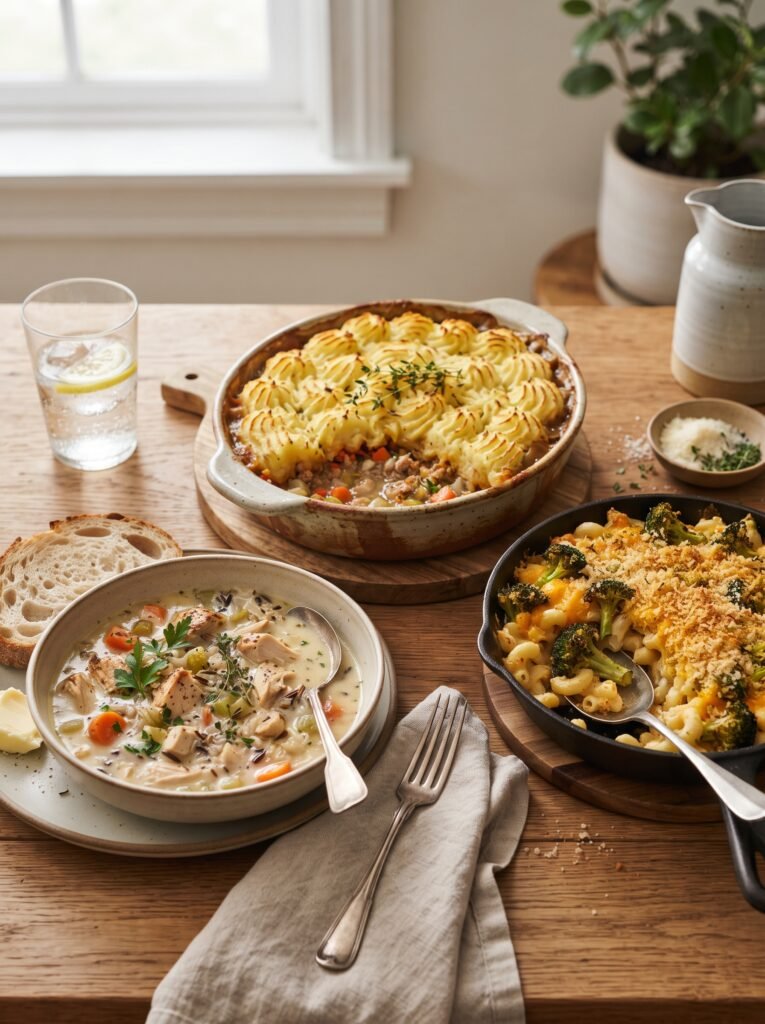
Turkey and Vegetable Shepherd’s Pie replaces traditional ground beef with lean ground turkey, layered with peas, carrots, and a lightened mashed potato or cauliflower-potato blend topping, baked until golden. This dish remains filling due to its combination of protein and fiber-rich vegetables, and preparation difficulty is moderate, requiring about 45 minutes total.
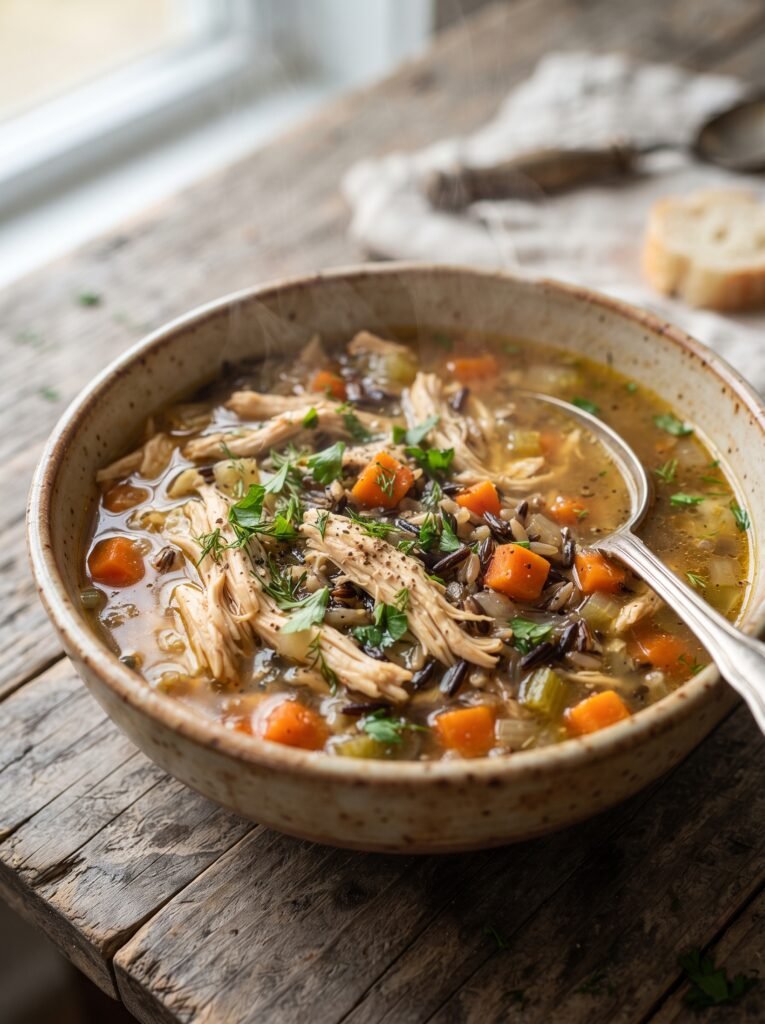
Chicken and Wild Rice Soup simmers shredded chicken, wild rice, carrots, and celery in a light broth-based mixture rather than a heavy cream base, offering warming comfort with substantial protein content. This soup freezes well, making it practical for preparing ahead, and ready in approximately 35 minutes.
Baked Chicken and Vegetable Pot Pie uses a single lightened pie crust or biscuit topping over a filling of chicken, mixed vegetables, and a light roux-based sauce, providing the comforting appeal of traditional pot pie with a more moderate calorie profile. Preparation takes about 40 minutes and delivers substantial protein alongside fiber from mixed vegetables.
Comforting Vegetarian and Plant-Forward Options
Creamy White Bean and Vegetable Soup blends white beans with vegetable broth, kale, and diced carrots for a naturally creamy texture without heavy cream, providing plant-based protein and fiber in a warming format. Baked Macaroni and Cheese with Broccoli incorporates steamed broccoli directly into a classic baked macaroni and cheese using whole wheat pasta and a moderate cheese portion, balancing comfort with added nutrition appealing to those seeking [Easy Healthy Recipes] with a nostalgic feel. Lentil and Vegetable Stew simmers lentils with diced tomatoes, carrots, and celery in warming spices, offering a filling, fiber-rich vegetarian option that satisfies on cold evenings.
Lightened Comfort Food for Cozy Weeknight Dinners
Turkey Chili with Beans combines lean ground turkey, kidney beans, and diced tomatoes with chili seasoning, offering a hearty, protein-rich dinner that reheats well throughout the week. Baked Chicken Parmesan with a Side Salad uses a light breadcrumb coating and modest cheese portion, baked rather than fried, served alongside a simple salad instead of pasta to balance the meal. One-Pot Creamy Tomato and White Bean Pasta uses whole wheat pasta simmered with tomatoes, white beans, and a small amount of cream for richness, providing both comfort and fiber within a single pot, ready in about 25 minutes.
Batch-cooking proteins like shredded chicken or ground turkey, along with freezing portions of soups and stews, makes these [Healthy Dinner Recipes] considerably easier to enjoy on especially cold or tiring evenings.
How to Build a Balanced Comfort Food Dinner
Choosing Proteins That Add Substance Without Excess
Lean ground turkey, shredded chicken, white beans, and lentils all provide substantial protein while allowing comfort food dishes to remain satisfying without excessive saturated fat. Since protein needs vary based on individual activity level and body size, readers should adjust portions according to their own requirements rather than relying on a single standard serving size across all comfort dishes.
Incorporating Vegetables Into Traditionally Simple Dishes
Adding diced carrots, celery, and peas to soups and pot pies, or folding broccoli directly into macaroni and cheese, increases fiber and micronutrient content without significantly altering the dish’s familiar, comforting character. Using vegetable-based broths as a base for soups and stews, similar to approaches found in [Healthy Chicken Recipes], adds nutritional value while maintaining rich, warming flavor throughout the dish.
Lightening Traditional Comfort Food Techniques
Baking rather than frying, such as with chicken parmesan, reduces added oil while still achieving a satisfying crispy texture. Using a blend of mashed cauliflower and potato for pie toppings reduces overall carbohydrate density while maintaining familiar texture and flavor, offering an approachable option for those interested in [Low Carb Recipes] variations of classic comfort dishes. Moderating cheese and cream quantities, rather than eliminating them entirely, allows dishes to remain genuinely comforting while improving their overall nutritional profile.
Meal Prep, Serving Suggestions & Nutrition
Meal-Prep Tips for Cozy Weeknight Dinners
Preparing soups, stews, and chili in large batches allows for convenient freezing and reheating throughout colder weeks, reducing the need for daily cooking. Cooking ground turkey or shredding chicken in advance, along with pre-chopping vegetables like carrots and celery, streamlines assembly for dishes like shepherd’s pie or pot pie. Storing components separately in airtight containers and preparing three to five servings at once supports consistent [Meal Prep Recipes] habits even during busy or particularly cold weeks.
Serving Suggestions and Flavor Combinations
Consider pairing turkey shepherd’s pie with a simple side salad for freshness, chicken and wild rice soup with a slice of whole grain bread, or turkey chili topped with a small amount of shredded cheese and diced avocado. Warming spices such as thyme, rosemary, smoked paprika, and cumin add depth to these dishes without relying on excessive salt or heavy sauces, supporting flavorful [High Protein Recipes] suited to cozy evenings.
Nutritional Information and Considerations
Nutritional values vary depending on specific ingredients, portion sizes, and preparation methods, so the following figures are approximate. A serving of turkey and vegetable shepherd’s pie contains roughly 380 calories, 28 grams protein, 32 grams carbohydrates, 6 grams fiber, and 15 grams fat. A serving of lentil and vegetable stew contains approximately 290 calories, 16 grams protein, 42 grams carbohydrates, 12 grams fiber, and 6 grams fat. Overall dietary balance across the week, rather than any single comforting dinner, plays the larger role in supporting nutritional and weight-management goals.
More Recipe Inspiration
Looking for more delicious ideas to try? Visit Jowel Recipes to discover more recipe inspiration and creative dishes for your next meal.
Frequently Asked Questions
Can comfort food dinners still be nutritionally balanced recipe?
Yes, many comfort food dishes can be adjusted through lean protein substitutions, added vegetables, and moderated portions of cream or cheese while still retaining their familiar, satisfying character.
Are these comfort food recipes suitable for meal prep and freezing?
Many of these recipes, particularly soups, stews, and chili, freeze well and can be portioned into individual servings for convenient reheating throughout the week.
How can I make traditional comfort food recipes lighter without losing flavor?
Techniques such as baking instead of frying, incorporating additional vegetables, using vegetable broth as a base, and moderating rather than eliminating cheese or cream can lighten dishes while preserving their comforting flavor profile.
What proteins work well in comfort food dinners?
Lean ground turkey, shredded chicken, white beans, and lentils all provide substantial protein while helping keep comfort dishes satisfying without excessive saturated fat content.
Can comfort food fit into a weight-conscious eating pattern?
Comfort food can fit into a balanced approach to eating when portions are considered and dishes incorporate protein and vegetables, though overall weight management depends on total calorie intake and dietary consistency across the full week rather than any single meal.
Conclusion
Building a collection of thoughtfully prepared comfort food recipes allows for genuine warmth and satisfaction on cozy evenings without abandoning nutritional balance. Incorporating lean proteins, additional vegetables, and moderated portions of richer ingredients helps these familiar dishes remain both comforting and reasonably balanced. Try one of these ten recipes on your next cozy night in and share which dish becomes your new favorite way to unwind.