Table of Contents
Introduction
Plant-based eating has grown well beyond a niche category, and vegan dinners can be every bit as filling, flavorful, and supportive of a balanced weight-management approach as any other style of cooking. Vegan Dinner Meal Prep Ideas built around tofu, tempeh, legumes, and generous vegetables offer a genuinely satisfying way to eat plant-based while still supporting weight-conscious goals, especially when meals are prepared in advance to remove the daily guesswork of what to cook.
It’s worth being clear from the outset: eating vegan does not automatically cause weight loss, and neither does meal prepping. Weight management depends on a combination of factors — total daily calorie intake, overall dietary quality, physical activity, consistency over time, sleep, and individual needs. What a well-built vegan dinner can offer is a filling, nutrient-dense meal, particularly when it includes enough plant-based protein and fiber to support satiety, since these are the components most likely to be under-represented in a poorly planned vegan meal.
This is why choosing protein, vegetables, healthy fats, and fiber matters just as much in vegan cooking as in any other style. A vegan dinner built mostly around white rice and steamed vegetables, with little protein, tends to be less filling than one built around tofu or lentils alongside a generous vegetable portion. Plant-based protein sources like tofu, tempeh, lentils, chickpeas, and edamame are central to making vegan dinners satisfying rather than an afterthought.
In this article, you’ll find practical high-protein vegan dinner ideas, lower-carb vegetable-forward options, quick recipes for busy weeknights, guidance on building a balanced plant-based plate, and meal-prep strategies that make vegan dinners realistic even on hectic weeks — along with estimated nutritional information for representative meals.
Best Vegan Dinner Meal Prep Ideas for Weight Loss
High-Protein Vegan Dinner Ideas
These dinners make plant-based protein the clear centerpiece of the meal, a core focus within high protein lunch ideas adapted for a fully vegan dinner.
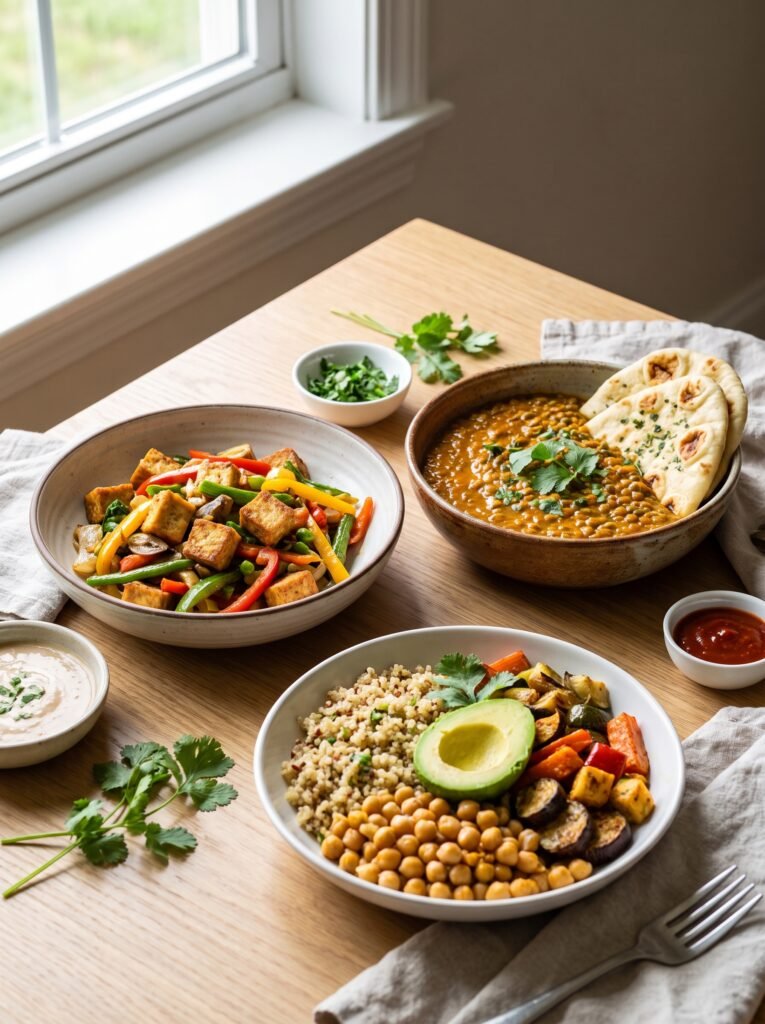
Tofu and Vegetable Stir-Fry Cubed, pressed tofu stir-fried with broccoli, bell peppers, and a light soy or coconut aminos-based sauce offers a substantial protein source alongside fiber-rich vegetables. Pressing the tofu beforehand helps it develop a firmer texture and absorb more flavor.
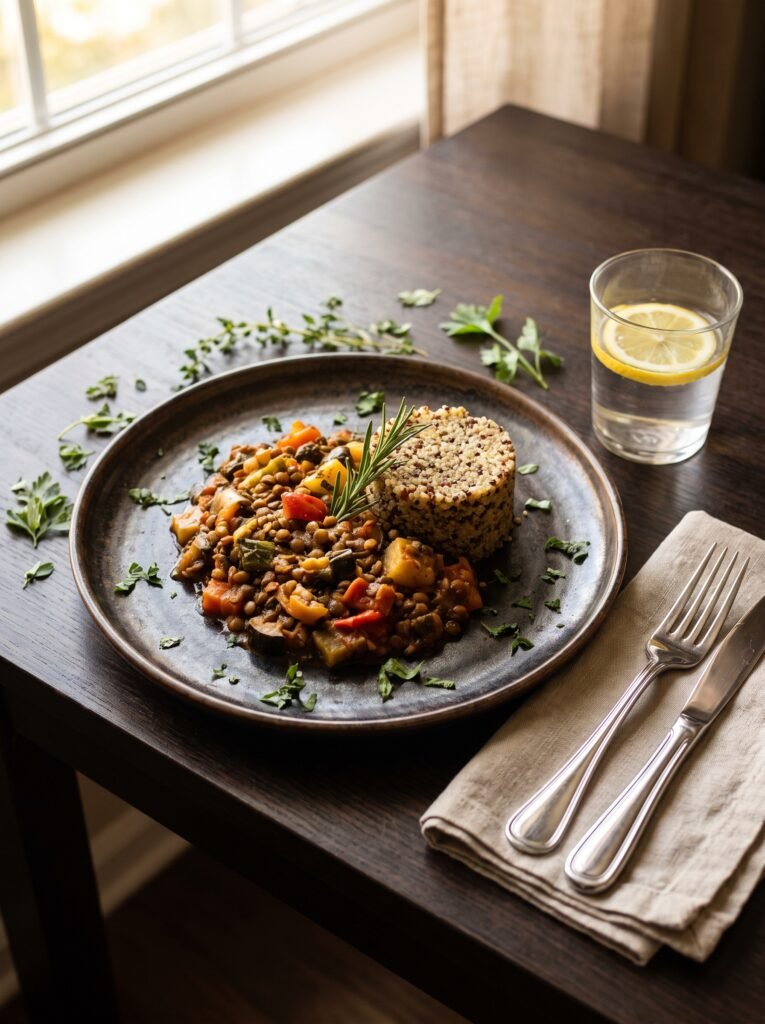
Lentil and Vegetable Curry Red or green lentils simmered with tomatoes, spinach, and warming spices like cumin and turmeric create a hearty, protein- and fiber-rich curry that’s easy to make in a large batch for the week.
Tempeh and Broccoli Stir-Fry Tempeh, which is naturally higher in protein than tofu, cooked with broccoli and a savory sauce provides a firm, satisfying texture along with substantial plant-based protein.
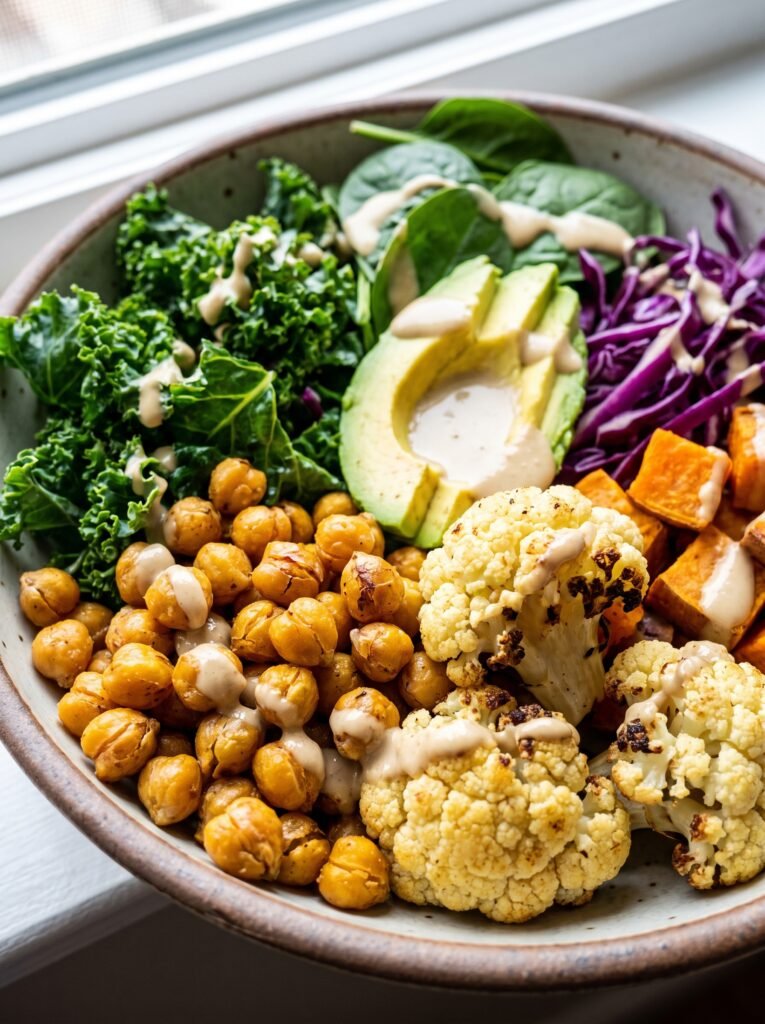
Chickpea and Vegetable Buddha Bowl Roasted chickpeas combined with roasted vegetables, leafy greens, and a tahini-based dressing offer a filling, protein- and fiber-rich bowl with a variety of textures.
Black Bean and Sweet Potato Chili Black beans and a moderate portion of sweet potato, simmered with tomatoes and chili spices, create a hearty, plant-based chili that’s rich in both protein and fiber.
Low-Carb Vegan Dinner Ideas
These dinners lean into non-starchy vegetables and plant-based protein while moderating higher-carbohydrate ingredients like grains and starchy vegetables, aligning with low carb lunch recipes principles adapted for a vegan diet.
Tofu and Cauliflower Rice Stir-Fry Cubed tofu stir-fried with cauliflower rice and mixed vegetables offers a lower-carb alternative to a traditional tofu and rice stir-fry, while keeping the same satisfying flavors.
Zucchini Noodles with Tempeh Bolognese Crumbled tempeh simmered in a tomato-based sauce, served over zucchini noodles, provides the comfort of a bolognese-style dish with significantly fewer carbohydrates than a traditional pasta version.
Stuffed Bell Peppers with Cauliflower Rice and Black Beans Bell peppers filled with a mixture of cauliflower rice, black beans, and diced tomatoes, then baked, offer a colorful, protein- and fiber-rich, lower-carb dinner.
Edamame and Vegetable Salad Bowl Shelled edamame combined with mixed greens, cucumber, and a sesame-ginger dressing provides a substantial plant-based protein source in a fresh, low-carb salad format.
Cauliflower and Chickpea Curry Cauliflower florets and chickpeas simmered in a curry sauce made with tomatoes and coconut milk offer a lower-carb take on a curry dinner compared to a rice-heavy version, especially when served over a smaller portion of rice or cauliflower rice.
Quick and Easy Vegan Dinners for Busy Weeknights
These options focus on easy-to-make recipes for readers with limited time.
Canned Bean and Vegetable Skillet — Canned black beans or chickpeas combined with a bag of frozen mixed vegetables and a simple seasoning blend for a fast, minimal-prep dinner.
Frozen Edamame and Vegetable Stir-Fry — Frozen shelled edamame and a bag of frozen stir-fry vegetables combined with a quick sauce for a nearly effortless dinner.
Pre-Marinated Tofu and Salad — Store-bought pre-marinated tofu, pan-seared quickly and served over a bagged salad mix, for a dinner with minimal prep.
Canned Lentil Soup with Added Vegetables — A canned or boxed lentil soup enhanced with extra fresh spinach and a squeeze of lemon for added freshness and nutrients.
Hummus and Vegetable Plate — A generous portion of hummus served with a variety of raw vegetables offers a fast, no-cook dinner option, useful in a pinch though best paired with an additional protein source for a more filling meal.
For efficiency, cook a large batch of a versatile protein like lentils, chickpeas, or baked tofu at the start of the week, then use it across two or three different dinners with different seasonings and vegetable pairings.
How to Build a Healthy Vegan Dinner
Choosing the Right Protein
Plant-based protein sources vary considerably in both protein content and texture, so it’s worth becoming familiar with a few reliable options: tofu, tempeh, lentils, chickpeas, black beans, edamame, and seitan (for those who tolerate gluten) are among the most protein-dense choices. Nutritional yeast can add a savory, cheese-like flavor along with a modest protein boost.
Combining two protein sources in a single meal — such as tofu and edamame, or lentils and chickpeas — can help increase the overall protein content of a vegan dinner. Protein needs vary from person to person depending on factors such as body composition, activity level, and overall health goals, so readers should consider their individual dietary needs, ideally with guidance from a registered dietitian or healthcare provider familiar with plant-based eating.
Adding Vegetables, Fiber, and Healthy Fats
Vegan dinners are naturally well-suited to incorporating a wide variety of vegetables, since there’s no need to balance the plate around a meat-based main dish. Useful options include leafy greens, broccoli, cauliflower, cucumber, zucchini, bell peppers, and tomatoes.
Healthy fats such as avocado, olive oil, nuts, seeds, and tahini can round out a vegan dinner, adding flavor and helping the meal feel satisfying. As with any diet, portion awareness applies — a quarter of an avocado, a tablespoon of tahini, or a small handful of nuts is generally a reasonable serving, rather than an unlimited amount, since these fats are calorie-dense.
Fiber is particularly abundant in a well-planned vegan diet, given the reliance on legumes, vegetables, and whole grains, and it plays a valuable role in supporting digestive health and a longer-lasting feeling of fullness.
Healthy Alternatives to High-Carb Ingredients
Several practical substitutions can help lower the refined-carbohydrate content of vegan dinners without eliminating carbohydrates entirely:
- Cauliflower rice instead of white rice
- Zucchini noodles instead of regular pasta
- Extra legumes and vegetables instead of a larger portion of grains
- Lettuce wraps instead of tortillas for burrito-style fillings
- Roasted vegetables instead of bread as an accompaniment
These swaps allow readers to enjoy familiar vegan comfort dishes — curries, stir-fries, chili — while adjusting the carbohydrate content to fit personal preferences. Most readers do not need to eliminate grains or starches entirely, since legumes like lentils and chickpeas already provide meaningful fiber alongside their carbohydrate content; the goal is a balanced meal appropriate to individual goals.
For more inspiration, see our [Low Carb Recipes] and [Healthy Dinner Recipes] collections.
Meal Prep, Serving Suggestions & Nutrition
Meal-Prep Tips for Busy Weeks
Vegan dinners are especially well-suited to batch cooking, since many plant-based proteins like beans, lentils, and tofu hold up well to reheating, supporting a consistent meal prep lunch ideas routine:
- Cook proteins in batches — Preparing a large batch of lentils, chickpeas, or baked tofu at the start of the week allows it to be used across multiple dinners.
- Wash and chop vegetables in advance — Prepping vegetables ahead of time removes a major barrier to quick weeknight assembly.
- Prepare sauces and dressings ahead — A tahini dressing, a curry sauce base, or a stir-fry sauce can be made in bulk and stored for the week.
- Store components separately — Keeping protein, vegetables, and sauces apart until serving helps preserve texture, particularly for dishes like a Buddha bowl.
- Use airtight containers — Proper storage keeps prepared legumes, tofu, and vegetables fresh for several days.
- Prepare 3–5 dinners at once — Batch-cooking a base protein and a couple of sauces on a single day allows for varied meals throughout the week.
- Freeze extra portions — Dishes like lentil curry or bean chili generally freeze and reheat well, extending the usefulness of a single cooking session.
Serving Suggestions and Flavor Combinations
Rotating flavors and cuisines helps keep vegan dinners interesting throughout the week:
- Tofu stir-fry + broccoli + cauliflower rice + sesame seeds
- Lentil curry + spinach + a squeeze of lime
- Tempeh bolognese + zucchini noodles + fresh basil
- Chickpea Buddha bowl + roasted vegetables + tahini dressing
- Black bean chili + avocado + a squeeze of lime
Fresh herbs such as cilantro, basil, and parsley, along with spices like cumin, turmeric, smoked paprika, and curry powder, can add substantial depth of flavor to vegan dinners without relying on refined carbohydrates. Nutritional yeast, tahini, and a squeeze of citrus are useful, flavorful finishing touches across many plant-based dishes.
Explore our [Low Carb Recipes] and [Easy Salad Recipes] for additional pairing ideas.
Nutritional Information and Weight-Loss Considerations
Nutritional values depend heavily on specific ingredients, portion sizes, and preparation methods, so the figures below should be treated as general estimates.
| Vegan Dinner Idea | Estimated Calories | Protein | Carbohydrates | Fiber | Fat |
|---|---|---|---|---|---|
| Tofu and Vegetable Stir-Fry | 320–380 kcal | 20–24g | 18–22g | 5–7g | 16–20g |
| Lentil and Vegetable Curry | 340–400 kcal | 18–22g | 40–46g | 12–14g | 10–14g |
| Tempeh and Broccoli Stir-Fry | 360–420 kcal | 24–28g | 20–24g | 6–8g | 18–22g |
| Chickpea Buddha Bowl | 380–440 kcal | 16–20g | 42–48g | 12–14g | 16–20g |
| Zucchini Noodles with Tempeh Bolognese | 280–340 kcal | 20–24g | 16–20g | 5–7g | 14–18g |
These estimates suggest that vegan dinners built around tofu, tempeh, or legumes can provide a meaningful amount of protein and fiber, though carbohydrate content tends to run higher than in some meat-based low-carb meals, given that legumes are both a protein and carbohydrate source. Choosing tofu or tempeh-forward dishes, or moderating legume portions in favor of extra non-starchy vegetables, can help lower the carbohydrate content for readers specifically prioritizing that. As with any meal, no single dinner determines weight-loss outcomes. Sustainable results generally come from consistent dietary patterns over time, adequate physical activity, sufficient sleep, and overall calorie balance — not from any one recipe.
Conclusion
Vegan dinners can be genuinely filling, flavorful, and supportive of a balanced, weight-conscious approach when they’re built around substantial plant-based protein sources like tofu, tempeh, lentils, and chickpeas, paired generously with non-starchy vegetables. By preparing a batch of a versatile protein at the start of the week and rotating it through different sauces and vegetable pairings, you can create vegan dinner meal prep ideas that stay interesting and satisfying throughout a busy week. Simple swaps, like cauliflower rice instead of white rice or zucchini noodles instead of pasta, make it easy to moderate carbohydrate content for those who want a lighter option.
Meal preparation is especially valuable for vegan cooking, since many plant-based proteins hold up well to batch cooking and reheating. Portion awareness and overall dietary balance remain central to any long-term goal, and it’s worth remembering that no single dinner determines your results — consistency, activity, and a well-rounded approach to eating matter far more than any individual meal.
Try one of the vegan dinner ideas above this week — whether it’s a quick tofu stir-fry or a hearty lentil curry — and share your favorite plant-based combination in the comments below.
For more inspiration, browse our [Healthy Dinner Recipes], [Meal Prep Recipes], and [Easy Healthy Recipes] collections.
More Recipe Inspiration
Looking for more delicious ideas to try? Visit Jowel Recipes to discover more recipe inspiration and creative dishes for your next meal.
Frequently Asked Questions
1. What is a good vegan dinner idea for weight loss recipe? A good vegan dinner for weight management typically centers on a substantial plant-based protein source — such as tofu, tempeh, lentils, or chickpeas — paired with a generous portion of non-starchy vegetables. Options like a tofu and vegetable stir-fry or a lentil and vegetable curry offer a filling balance of protein and fiber. Individual needs vary, so portions should be adjusted based on your own goals and appetite.
2. Can vegan dinners fit into a low-carb approach? Yes, though it requires some adjustment, since many vegan protein sources like beans and lentils naturally contain carbohydrates alongside their protein. Emphasizing tofu, tempeh, and edamame, and moderating portions of legumes and grains in favor of extra non-starchy vegetables, can help lower the overall carbohydrate content of a vegan dinner.
3. What ingredients should I include in a healthy vegan dinner? A balanced vegan dinner generally includes a substantial plant-based protein source (tofu, tempeh, lentils, chickpeas, or edamame), a generous portion of non-starchy vegetables (broccoli, cauliflower, zucchini, leafy greens), and a modest amount of healthy fat (avocado, olive oil, nuts, or tahini). Fresh herbs and spices add flavor without relying on refined carbohydrates.
4. Are vegan dinners suitable for meal prep? Yes, vegan dinners are especially well-suited to meal prep. Proteins like lentils, chickpeas, and baked tofu can be cooked in large batches and stored for several days, and many vegan dishes, such as curries and chili, freeze and reheat particularly well.
5. Can vegan meal prep help with weight management? Vegan dinners that include substantial plant-based protein and fiber-rich vegetables may help you feel fuller for longer, which can support efforts to manage overall calorie intake. Having meals prepared in advance may also make it easier to consistently choose balanced, home-cooked dinners over less nutritious convenience options. That said, weight management depends on multiple factors, including total daily calories, dietary quality, physical activity, sleep, and consistency over time — not on any single meal or diet pattern.